
Cats: Ancient Predators in a Human World
Understanding the Animal You Live With—and Why It Changes Care, Health, and Home
Cats live in an estimated 49 million households in the United States alone. They share our couches, step on our computer keyboards, dominate screens, and curl up on our chests at night, syncing their breath and heartbeat to ours. Yet few animals are so familiar, and so deeply misunderstood.
The reason is not a lack of affection or effort.
It’s a lack of context.
Cats are not, in any meaningful biological sense, modern animals. They are ancient predators, small, exquisitely tuned hunters trying to exist in a world of apartments, packaged food, artificial awareness, and human schedules. To understand cats at all, we have to understand where they come from and what they never stopped being.
CATACATS exists to help clarify that understanding.
Cats Didn’t Become Ours. They Stayed Themselves.
The domestic cat (Felis catus) originated from the African wildcat over 9,000 years ago. Early humans stored grain, which attracted rodents, and, in turn, wildcats followed them. Humans recognized this benefit and allowed the cats to remain.
What didn’t happen is just as important as what did.
Cats were not selectively bred for obedience, temperament, or companionship. Instead, they adapted to live near humans without altering their true nature.
Anthrozoologist John Bradshaw, in his book Cat Sense, illustrates that modern house cats are still behaviorally and biologically similar to their wild ancestors. While coat patterns have evolved and social tolerance has improved, their fundamental instincts, sensory priorities, and stress responses remain largely unchanged.
This single fact influences everything about cat care.
The “Raw Cat” and What It Explains
Jackson Galaxy’s Total Cat Mojo gives this ancient feline a memorable name: the Raw Cat. While Galaxy’s tone is accessible and often humorous, the concept closely mirrors Bradshaw’s science.
The Raw Cat explains why cats:
- Need control over territory and resources
- Are sensitive to smells, textures, and noise
- Prefer multiple small meals over large feedings and have low thirst drives
- Sleep long hours but in light, alert states
- Hide illness and discomfort until late stages
These are not quirks. They are survival strategies.
Together, Cat Sense and Total Cat Mojo provide the best perspective for understanding cats, not as issues to resolve, but as animals to appreciate.
Desert Sand to Sofa
Cats evolved as solitary hunters in environments where conserving energy, obtaining hydration from prey, and maintaining territorial security were essential for survival. Today, however, many of these same animals live indoors, eat processed foods (some of which are dry), drink from a bowl, and spend most of their day sleeping.
Many common care questions trace directly back to this mismatch.
Why do cats have a low thirst drive?
Why do they thrive on moisture-rich diets?
Why do they sleep 12–16 hours a day?
Why can stress quietly undermine urinary, kidney, and digestive health?
These are not modern problems. They are ancient biology playing out in modern homes.
Not Dogs. Not Children. Not Roommates. Not Decorative Companions.
Cats are often misunderstood because we compare them to things they are not.
They are not dogs, bred for cooperation and instruction.
They are not children, seeking guidance or approval.
They are not aloof roommates, indifferent to connection.
And they are not ornamental pets, meant to adapt silently.
Cats are self-directed, relational beings. They form deep bonds through trust, predictability, and respect for autonomy.
When we misunderstand this, frustration follows. When we understand it, relationships stabilize, and health often improves.
Why Understanding Cats Changes Care
Living harmoniously with a cat is not just about behavior. It influences nearly every aspect of care.
When environments and routines align with feline biology:
- Diet supports hydration, kidney health, and digestion
- Sleep patterns are respected rather than disrupted
- Stress-related illness is reduced
- Lifespan and quality of life improve
Cats are masters at masking discomfort. Subtle changes in eating, drinking, elimination, sleep, or social behavior often signal health issues long before obvious symptoms appear. Understanding what is normal for cats, both biologically and behaviorally, helps humans notice when something is not.
The Human Side of the Equation
The benefits of understanding cats are not one-sided.
When guesswork drops and insight increases, humans experience:
- Less frustration and second-guessing
- Greater confidence in care decisions
- More meaningful, relaxed relationships
- Homes that feel calmer and more intentional
Living with a cat becomes less about managing problems and more about sharing space with a being whose needs make sense.
Ancient Animals, Modern Homes
Cats are living history. They are survivors of millennia of environmental change, now navigating human worlds filled with artificial light, constant noise, and rigid schedules. Top this off with their recent history of exposure to commercial dry food diets.
When we design care around who cats truly are rather than who we expect them to be, we don’t just get “better behaved” cats.
We get healthier bodies, calmer nervous systems, longer lives, and homes that feel more balanced for cats and humans alike.
Understanding cats is not about control or correction.
It is about learning how to live well with something ancient and allowing that ancient presence to improve care, deepen connection, and quietly change the home itself.
This Is CATACATS
CATACATS exists to bring clarity to cat care through science, insight, love, and respect for the animal behind the behavior.
From diet and hydration to sleep, environment, health, and longevity, everything begins with understanding the cat you live with.
That understanding expands the experience, replacing misconception with humility in our relationship with an ancient animal that knows itself well yet remains a quiet mystery in our homes and hearts.
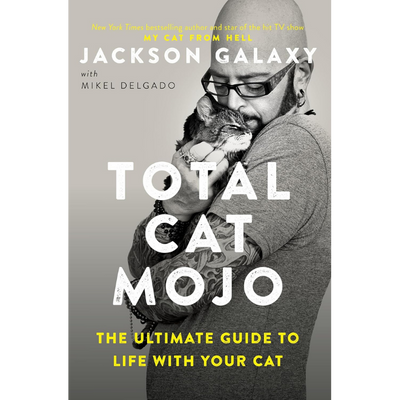
Total Cat Mojo
Comprehensive Guide
Love grows through education.
Fascinating humor-infused wisdom.
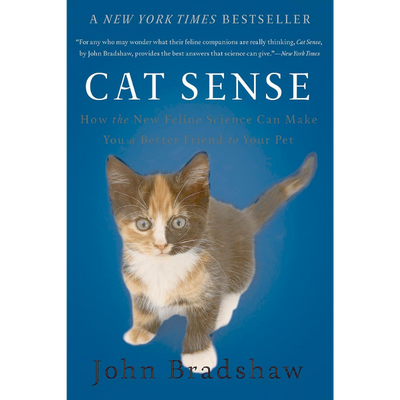
Cat Sense
Cutting Edge Science
NYtimes Bestseller. Cutting-edge research into the true nature of our feline friends.
Receive thoughtful updates, helpful tips, and sneak peeks at the upcoming Catacats guidebook.
Disclosure & Disclaimer: As an Amazon Associate, I may earn commission from qualifying purchases at no extra cost to you. All recommendations are based on research and experience to help you provide the best care for your cats. The information provided is for educational purposes only and is not a substitute for professional veterinary advice. Always consult your veterinarian regarding your cat’s health, diet, and care.