
Cat Grass
Understanding Cat Grass
Cat grass consists of safe, edible grasses commonly grown for cats to eat, including wheatgrass, oat grass, barley grass, and rye grass. These varieties provide nutritional and behavioral benefits, fulfilling their natural instincts to chew and graze.
When eaten, cat grass can aid digestion and help manage hairballs by adding fiber and stimulating the digestive tract. This gentle process can also help cats naturally expel ingested fur. Additionally, cat grass contains vitamins A, C, and E, folic acid, and other trace nutrients that support immune health, coat condition, and energy metabolism.
While highly beneficial, moderation is essential. Some cats may over-consume or experience mild gastrointestinal upset. Introduce cat grass gradually and monitor for tolerance, particularly in kittens or cats with sensitive stomachs.
Benefits of Cat Grass
Cat grass offers both physical and psychological enrichment:
- Digestive support: Promotes healthy digestion by reducing hairball formation and supporting regular bowel movements.
- Nutrient source: Provides vitamins and chlorophyll that contribute to vitality and detoxification.
- Natural behavior outlet: Mimics grazing and hunting habits, reducing boredom and anxiety.
- Environmental enrichment: Encourages exploration and provides mental stimulation for indoor cats.
Regular access to cat grass can reduce stress-related behaviors and support a balanced, contented temperament.
How Much Cat Grass to Offer
Portion size depends on a cat’s age, health, and interest. As a guideline:
- Kittens: A few blades at a time under supervision.
- Adult cats: 1–2 ounces (about a small handful) a few times per week.
- Large or active breeds: May safely enjoy small daily servings.
Observe your cat’s response closely. Positive signs include calm nibbling, playful chewing, and relaxed body language. If vomiting or diarrhea develops, decrease the amount offered or limit access to once or twice weekly.
Types of Cat Grass and Their Features
| Type | Main Benefits | Notes |
|---|---|---|
| Wheatgrass | High in nutrients and chlorophyll; promotes detoxification and energy. | Mild flavor; easy to grow indoors. |
| Oat Grass | Gentle on digestion; supports coat health. | Often preferred by cats for its soft texture. |
| Barley Grass | Rich in enzymes; helps regulate weight and improve digestion. | Slightly tougher blade; durable for repeated nibbling. |
| Rye Grass | Promotes digestive regularity; grows quickly. | A good option for short-term or mixed-grass trays. |
Each type of cat grass can be grown individually or blended, providing cats with a more diverse range of textures, flavors, and complementary nutrients.
Safety Considerations
- Skip pesticides, herbicides, and chemical fertilizers; choose organic soil and untreated seeds for your cat’s safety.
- Keep grass fresh; wilted or moldy plants can cause digestive upset.
- Trim regularly to prevent overgrowth and bacterial buildup.
- Offer in moderation as a digestive aid and enrichment tool.
Growing Cat Grass at Home
Cat grass is simple to cultivate indoors year-round.
Steps:
- Choose a shallow container with drainage holes.
- Fill with clean potting soil or seed-starting mix.
- Evenly sprinkle seeds and lightly cover with soil.
- Mist gently and place in indirect sunlight.
- Keep soil moist (not soggy).
Sprouts appear within 5–7 days, and when the grass reaches 4–6 inches tall, it is ready to serve. Rotate trays to ensure a fresh, continuous supply.
Home cultivation provides better control over quality and freshness, making it perfect for households with multiple cats or those with sensitive needs.
Summary
Cat grass is not just a treat; it helps with digestion, satisfies cats’ instinctive grazing behavior, and enhances their mental well-being. Whether you provide it fresh or grow it at home, cat grass offers safe and natural enrichment that benefits cats of all ages.
When offered safely and thoughtfully, the right grasses can add simple, natural enrichment to a cat’s daily life.
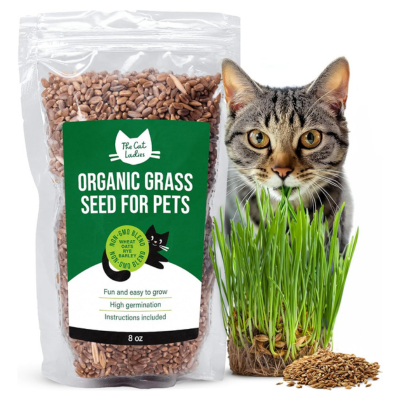
Organic Cat
Grass Seeds
Wheat, oats, rye, and barley, give our cats earthy-flavored grass that’s delicious, and it makes a healthy treat.
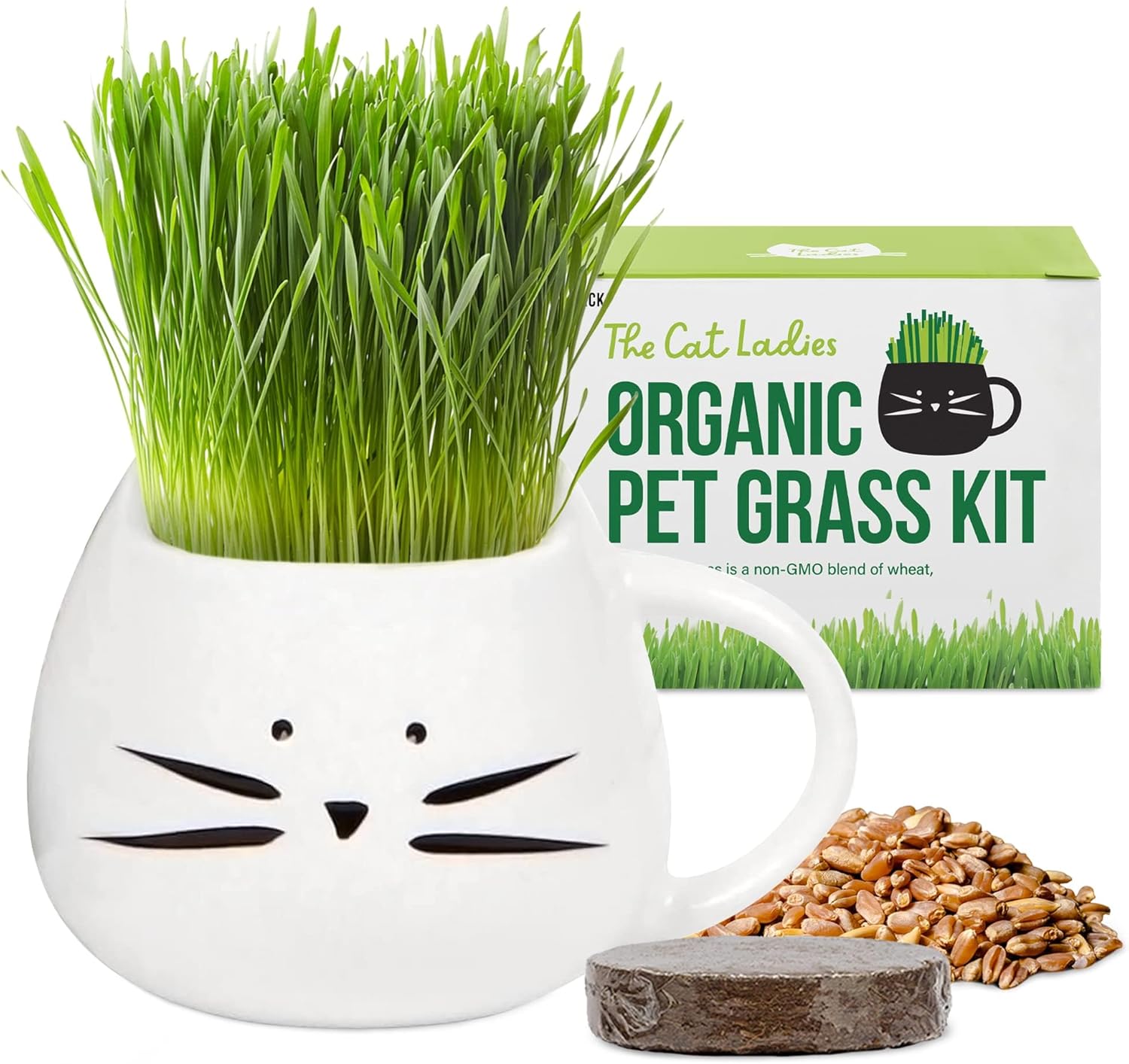
Cat Grass
Growing Kit
Organic seed mix, soil and white cat planter.
A purr-fect gift for cat adoption.
Receive thoughtful updates, helpful tips, and sneak peeks at the upcoming Catacats guidebook.
Disclosure & Disclaimer: As an Amazon Associate, I may earn commission from qualifying purchases at no extra cost to you. All recommendations are based on research and experience to help you provide the best care for your cats. The information provided is for educational purposes only and is not a substitute for professional veterinary advice. Always consult your veterinarian regarding your cat’s health, diet, and care.