
Catnip
Understanding Catnip: The Basics
Catnip (Nepeta cataria) is a perennial herb from the mint family, famous for its effects on cats. The active compound in catnip, called nepetalactone, activates sensory receptors in a cat’s nose, resulting in temporary changes in their behavior and mood.
Most cats respond to catnip within seconds of smelling it, displaying behaviors such as rolling, rubbing, purring, or jumping around. This is usually followed by a calm or sleepy phase. The effects typically last about 5 to 15 minutes, after which the cat becomes temporarily indifferent to the herb.
Sensitivity to catnip is hereditary. Approximately half to three-quarters of cats respond, while kittens under six months old and some older cats may not be interested. Reactions to catnip can vary greatly among individual cats, which is normal for the species.
Health Benefits and Potential Risks
Catnip offers several behavioral and physical benefits when used thoughtfully:
Benefits
- Stress Relief: Helps some cats relax or adjust to new environments.
- Exercise and Play: Encourages activity and mental stimulation, especially for indoor cats.
- Behavioral Enrichment: Supports instincts such as sniffing, pouncing, and exploring.
Risks
- Overstimulation: Some cats become too excited or mildly aggressive.
- Digestive Upset: Ingesting large amounts can cause vomiting or diarrhea.
- Desensitization: Frequent exposure can make cats less responsive over time.
Catnip should be offered occasionally, rather than constantly, to maintain its enjoyment and effectiveness.
Using Catnip for Enrichment
Catnip makes indoor environments more engaging, relieves boredom, and encourages healthy exercise.
Recommended use: Once or twice per week is ideal for most cats. Observe individual reactions to find the right balance.
Ways to use catnip:
- Dried catnip – Sprinkle on toys, scratching posts, or bedding.
- Catnip spray – Apply lightly to renew interest in old toys.
- Fresh catnip – Offer small amounts for sniffing or chewing under supervision.
- Catnip toys – Refillable or infused toys provide safe, contained stimulation.
Catnip can also reinforce good behavior, encouraging a cat to use a scratching post or engage in play instead of destructive activities.
Growing Catnip
Catnip is easy to grow indoors or outdoors. It thrives in well-drained soil and plenty of sunlight (around six hours daily).
Cultivation tips:
- Water moderately, allowing soil to dry between waterings.
- Prune regularly to encourage leaf growth.
- Harvest before flowering for best potency.
- Store dried catnip in airtight containers, away from light and heat.
Homegrown catnip is often fresher, stronger, and free of pesticides, an ideal choice for sensitive cats.
Alternatives for Cats That Don’t Respond
Some cats don’t react to catnip. Fortunately, other plants can provide similar stimulation:
| Alternative | Typical Effect | Notes |
| Silvervine (Actinidia polygama) | Stronger play and rolling response; affects most catnip-nonresponsive cats. | Often more potent than catnip. |
| Valerian Root (Valeriana officinalis) | Promotes active play, followed by relaxation. | Has a strong odor; use sparingly. |
| Tatarian Honeysuckle (Lonicera tatarica) | Gentle stimulation and rubbing behavior. | Use untreated, natural wood only. |
Offering a variety of scents and botanicals prevents boredom and keeps enrichment experiences novel.
Safe Use Guidelines
- Introduce gradually and monitor reactions.
- Limit exposure to short sessions.
- Replace old catnip every few weeks for freshness.
- Store securely to prevent unsupervised access.
- Always choose pesticide-free, food-safe sources.
Summary
Organic catnip is a natural and safe way to enhance a cat’s environment, promoting play, activity, and relaxation. Its effectiveness can vary from cat to cat, but when used in moderation, it supports both mental and physical well-being
For cats that do not respond to catnip, alternatives such as silvervine, valerian root, or a blend of these can provide similar benefits. By understanding and using these natural options carefully, owners can improve their cats’ daily lives in an enjoyable, balanced way.
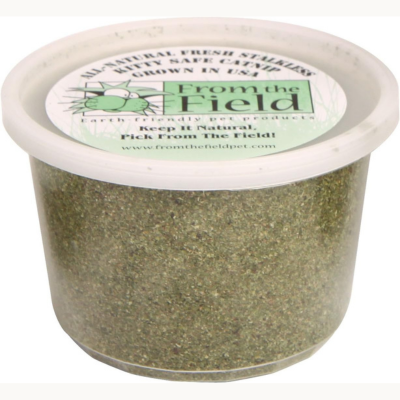
From The Field
Organic Catnip
Aromatic, fresh, and non-toxic. Helps ease cat stress and encourages exercise.
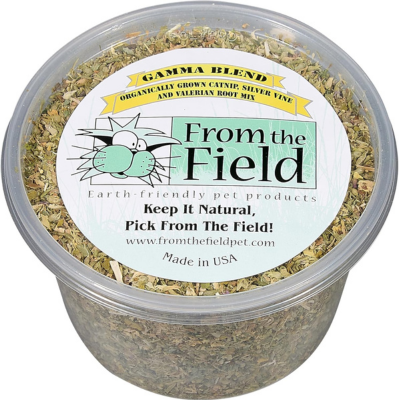
From The Field
Organic Gamma Blend
Triple-Blend Formula: A combination of catnip, silvervine, and valerian root for maximum appeal.
Receive thoughtful updates, helpful tips, and sneak peeks at the upcoming Catacats guidebook.
Disclosure & Disclaimer: As an Amazon Associate, I may earn commission from qualifying purchases at no extra cost to you. All recommendations are based on research and experience to help you provide the best care for your cats. The information provided is for educational purposes only and is not a substitute for professional veterinary advice. Always consult your veterinarian regarding your cat’s health, diet, and care.