
Understanding Cat Claws
Anatomy, Care, and Why Declawing Is Wrong
Cat claws are not just sharp tips at the end of the paw. They are living, functional tools that support a cat’s movement, comfort, and emotional well-being. Understanding how claws work and how to care for them properly helps explain why declawing is harmful and unnecessary.
The Anatomy of a Cat’s Claw
A cat’s claw is a complex, living structure made up of several important parts.
The outer shell is composed of keratin, the same protein found in human nails. This hard, curved layer protects the claw and continues to grow. As claws grow, they naturally shed dull outer layers through scratching.
Inside the claw is the quick, sensitive pink area that contains nerves and blood vessels. The quick supplies nutrients to the claw and allows cats to feel pressure and texture through their paws. Cutting into the quick is painful and causes bleeding, so careful trimming is essential.
Cats also have retractable claws. When relaxed, claws are sheathed inside the paw, protecting them from wear and keeping them sharp. When needed, for climbing, gripping, or play, cats extend their claws instantly. This design is a key part of feline anatomy and behavior.
What Cat Claws Are For
Claws serve many vital roles in a cat’s daily life.
They provide traction and balance, enabling cats to sprint, jump, and land with precision. Claws allow cats to climb trees, fences, and cat furniture safely. During play and hunting, claws help cats grasp and control toys or prey.
Scratching also serves important non-physical purposes. When a cat scratches, it leaves visual marks and scent signals from glands in its paws, which help it feel secure in its environment. Scratching doubles as a full-body stretch, supports muscle and joint health, and helps with stress relief and self-care.
Claws can even be part of communication, signaling excitement, playfulness, or discomfort.
Why Declawing Is Inhumane
Declawing is not a nail trim. Medically known as onychectomy, it involves amputating the last bone of each toe. This permanently alters the paw structure. Anyone considering this would only need to imagine it to grasp the mutation’s impact.
Declawed cats are prone to lifelong pain, arthritis, difficulty walking, litter box avoidance, and behavioral changes such as aggression or withdrawal. Removing claws also takes away a cat’s ability to climb, stretch properly, mark territory, or defend themselves.
Declawing is widely condemned by veterinarians and animal welfare organizations and is banned in a growing number of states and countries. Humane alternatives always exist.
Proper Claw Care: What Cats Actually Need
Healthy claws require maintenance, not removal.
Regular Trimming
Most cats benefit from claw checks every 1–2 weeks. Using good lighting, trim only the sharp tip of the claw and avoid the quick. Go slowly and stop if your cat becomes stressed.
Tools That Work
Use cat-specific nail clippers, either scissor-style or guillotine-style. Some provide a protective guard and a light. Some cats tolerate nail grinders, which file the claw gradually and reduce the risk of cutting to the quick. Tools should always be sharp and clean.
Scratching Outlets
Scratching is essential for claw health. Provide sturdy scratching posts, pads, or boards made of materials like sisal rope or textured fabric. Place them where your cat naturally spends time.
Encouraging safe scratching helps remove old claw sheaths, keeps claws strong, and protects your furniture.
The Bottom Line
Cat claws are not optional accessories; they are essential tools for movement, comfort, confidence, and emotional health. Declawing is inhumane and removes far more than nails; it removes a core part of what makes a cat a cat.
With regular trimming, the right tools, and appropriate scratching options, cats can keep their claws healthy and live happier, more comfortable lives alongside their humans.
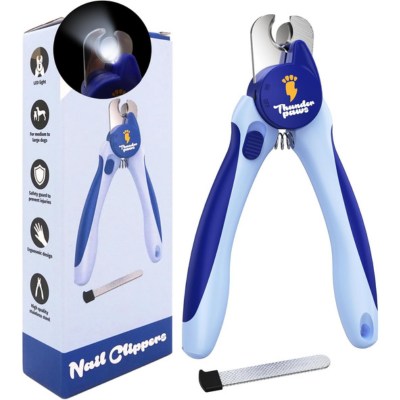
Nail Clippers with Light and Protective Guard
Protective guard helps prevent “over-trimming”. LED light for safer, cutting experience.
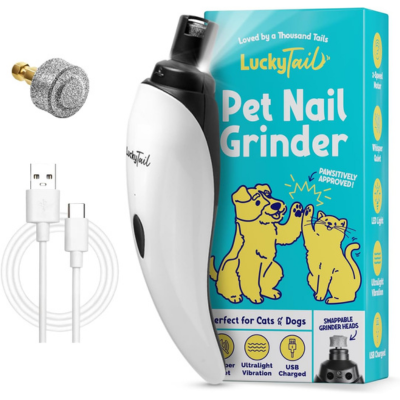
Nail Grinder
Quiet and Low Vibration
Two LED-lights & diamond bit grinder heads.
USB rechargeable and cordless.
Receive thoughtful updates, helpful tips, and sneak peeks at the upcoming Catacats guidebook.
Disclosure & Disclaimer: As an Amazon Associate, I may earn commission from qualifying purchases at no extra cost to you. All recommendations are based on research and experience to help you provide the best care for your cats. The information provided is for educational purposes only and is not a substitute for professional veterinary advice. Always consult your veterinarian regarding your cat’s health, diet, and care.