
Cat Emergencies: Recognizing Danger and Acting Fast
Cats are masters at hiding illness and pain. When a cat shows obvious distress, the situation may already be serious. Understanding what qualifies as an emergency and knowing how to respond quickly can save your cat’s life.
This guide will help you quickly identify emergencies, detail step-by-step actions, and direct you to vital resources. Next, let’s clarify how to recognize when your cat is facing a true emergency.
What Is a True Cat Emergency?
If your cat has sudden or severe changes in behavior, appetite, breathing, mobility, or awareness, treat it as an emergency.
🚨 Breathing & Circulation Emergencies
Seek immediate veterinary care if your cat has:
- Open-mouth breathing or panting
- Labored, rapid, or shallow breathing
- Blue, pale, or gray gums or tongue
- Sudden collapse or weakness
🚨 Urinary Blockage & Inability to Urinate
This is one of the most immediately life-threatening emergencies in cats, especially males.
Seek emergency care if your cat:
- Strains repeatedly in the litter box with little or no urine produced.
- Cries while attempting to urinate
- Makes frequent trips to the litter box
- Has no urine output for 12–24 hours
Untreated urinary blockage can be fatal within 24–48 hours.
🚨 Appetite Loss: A Critical Emergency
A cat not eating for 48 hours is an emergency.
For overweight or obese cats, this can become dangerous much sooner.
Cats who stop eating are at high risk for hepatic lipidosis (fatty liver disease), a potentially fatal condition that can develop rapidly.
Contact a veterinarian immediately if your cat:
- Refuses all food for 24–48 hours
- Eats dramatically less than normal
- Stops eating and is overweight
- Stops eating and shows lethargy, vomiting, or hiding behavior
🚨 Constipation: Often Overlooked, Potentially Fatal
Constipation in cats is not just uncomfortable; it can be dangerous. If it persists, it can become life-threatening.
Severe or untreated constipation can progress to obstipation or megacolon, where the colon can no longer move stool effectively. This condition often requires hospitalization and, in advanced cases, surgery.
Seek veterinary care immediately if your cat shows:
- Straining repeatedly in the litter box with little or no stool produced
- Crying or vocalizing while attempting to defecate
- Passing very small, dry, hard stools
- No bowel movement for 48–72 hours
- Lethargy, hiding, or reduced appetite
- Vomiting associated with constipation
- A tense or painful abdomen
⚠️ Do not confuse constipation with urinary blockage.
Straining without producing urine is an immediate, life-threatening emergency, especially in male cats. If you are unsure which is occurring, treat it as an emergency and seek care immediately.
🚨 Poisoning & Toxic Exposure
Toxins pose a unique and severe risk to cats. It’s crucial to recognize toxic exposure quickly.
Emergency signs may include:
- Drooling, vomiting, or foaming at the mouth
- Tremors, seizures, or collapse
- Sudden lethargy or weakness
- Exposure to human medications, toxic plants, essential oils, or chemicals
Do not wait for symptoms to worsen.
🚨 Neurological Signs & Severe Pain
Emergency care is needed for:
- Seizures or uncontrolled tremors
- Loss of balance or inability to stand
- Sudden blindness
- Head pressing or extreme disorientation
- Intense vocalization, yowling, or signs of severe pain
🚨 Trauma & Physical Injury
Seek immediate care for:
- Hit by a car or fall from a height
- Bite wounds (even small punctures)
- Deep cuts or uncontrolled bleeding
- Burns, electrical injuries, or smoke exposure
🚨 Other Severe Gastrointestinal Emergencies
These signs require urgent veterinary evaluation:
- Repeated vomiting or diarrhea
- Vomiting blood
- Black, tarry stools
- Sudden abdominal swelling or pain
⚠️ Why Daily Litter Box Scooping Matters in Emergencies
Many feline emergencies, especially urinary blockage, constipation, dehydration, and gastrointestinal illness, are first detected through changes in litter box habits.
Manually scooping litter boxes daily allows you to:
- Monitor urine volume and frequency
- Notice straining, absence of urine, or reduced stool output
- Detect diarrhea, constipation, or abnormal stool consistency early
- Recognize subtle changes before a crisis develops
Robotic litter boxes can mask these early warning signs by automatically removing waste, making it harder to notice dangerous changes in elimination patterns.
For emergency prevention and early detection, hands-on daily observation is one of the most powerful tools a cat owner has.
What to Do Immediately
- Stay calm and act quickly
Panic delays action and increases stress for your cat. - Remove your cat from danger
If possible, safely move them away from toxins, smoke, or hazards. - Do NOT give human medications
Many common over-the-counter drugs are highly toxic or fatal to cats. - Do NOT induce vomiting
This can cause aspiration or worsen injuries unless explicitly directed by a veterinarian or poison expert. - Call a veterinarian or an emergency clinic immediately. If possible, call ahead. Transport your cat in a secure carrier. Keep them warm, quiet, and handle them as little as possible.
Pet Poison Emergency Resources (U.S. & Canada)
If poisoning or exposure to a toxin is suspected, contact a professional immediately, even if symptoms seem mild or delayed.
ASPCA Animal Poison Control Center
📞 888-426-4435
🌐 aspca.org/pet-care/animal-poison-control
Available 24/7 (consultation fee may apply)
Pet Poison Helpline
📞 855-764-7661
🌐 petpoisonhelpline.com
Available 24/7 in the U.S. and Canada (fee may apply)
These services can work directly with your veterinarian to guide urgent treatment.
Be Prepared Before an Emergency Happens
During an emergency, searching for veterinary contacts, medical history, or poison resources wastes valuable time. Having all critical information organized and instantly accessible can make a life-saving difference.
Every cat owner should have a comprehensive, easy-to-access Important Information form ready before an emergency occurs. Download, print, and fill out my Catacats Important Information Sheets to be better prepared for the unexpected.
Final Thought
Cats depend on us to recognize danger when they cannot communicate clearly. Knowing the warning signs and acting without delay can save their lives.
Preparation isn’t fear. It’s responsible care.

Cat Owner’s Home
Veterinary Handbook
This resource helps you identify potential problems,
& take proper steps in emergency situations.
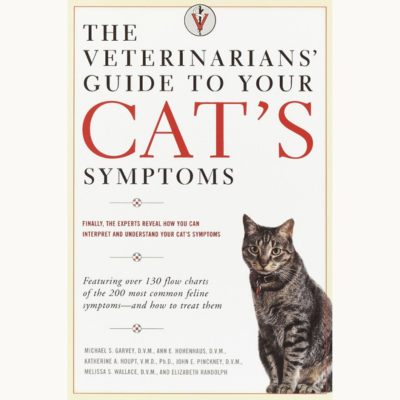
The Veterinarians’ Guide to Your Cat’s Symptoms
Designed to assist cat owners in understanding their pets’ bodies and health based on signs and symptoms.
Learn More
Vet Visits: Spaying, neutering, and smart, age-based veterinary care—learn how vaccines, titers, and regular checkups protect your cat at every stage of life.
Toxic To Cats: Create a cat-safe home—identify dangerous plants, chemicals, and foods before they cause harm.
Keep essential pet supplies and important information ready so you can respond quickly and calmly if an emergency occurs.
Disclosure & Disclaimer: As an Amazon Associate, I may earn commission from qualifying purchases at no extra cost to you. All recommendations are based on research and experience to help you provide the best care for your cats. The information provided is for educational purposes only and is not a substitute for professional veterinary advice. Always consult your veterinarian regarding your cat’s health, diet, and care.