
Comprehensive Grooming Guide
Best Practices for Healthy Fur, Skin, and Coat Care
Grooming Is Preventive Health Care – Not Cosmetic Care
Grooming is a foundational component of feline wellness. While cats are instinctive self-groomers, they are not immune to coat problems such as matting, excessive shedding, skin irritation, or hygiene challenges, particularly as they age, gain weight, or experience mobility limitations.
At Catacats, grooming is approached as preventive health care, supporting comfort, mobility, skin integrity, and early detection of problems, not just appearance alone.
Understanding the Cat’s Coat and Skin: Why Proper Grooming Matters
A cat’s coat is a living system closely tied to skin health, circulation, and movement. Healthy fur depends on:
- Adequate species-appropriate nutrition
- Proper hydration
- Intact skin barrier function
- Regular removal of dead hair and debris
Cat skin is exceptionally thin and highly elastic, allowing flexibility and motion, but it is also far easier to cut, tear, or puncture than human or canine skin. This is why improper tools or techniques (especially scissors used near the skin) pose a significant risk.
Matting Is a Medical Issue – Not Just a Cosmetic One
Why Mats Are Dangerous
Professional groomers and veterinarians agree: mats are not harmless tangles. They can:
- Pull continuously on the skin, causing inflammation and pain
- Restrict normal movement
- Trap moisture, feces, and debris
- Create an ideal environment for bacterial or fungal infections
- Conceal wounds, parasites, or tumors
- Contribute to muscle tension and cramping
How Mats Cause Muscle Cramping
When mats tighten, they anchor the skin in place, limiting normal skin glide over muscle. This restriction can:
- Alter posture and gait
- Cause chronic muscle tension
- Lead to localized muscle cramping and soreness
- Increase discomfort during movement or grooming
This is particularly significant in large, heavy-coated breeds and senior cats, who already experience reduced flexibility.
High-Risk Matting Areas
- Under the arms
- Belly and groin
- Behind the ears
- Collar area
- Base of the tail
These areas experience frequent friction and movement, making them prone to rapid mat formation.
Grooming by Fur Type: Individualized Care Is Essential
Short-Haired Cats
Grooming Needs:
- Brushing 1–2 times per week
- Rubber grooming brush or soft-bristle brush
Benefits include reduced shedding, fewer hairballs, and even oil distribution.
Medium-Haired Cats
Grooming Needs:
- Brushing 2–3 times per week
- Slicker brush followed by a quality comb
Focus on friction zones and early knot detection.
Long-Haired Cats (Including Maine Coons)
Grooming Needs:
- Brushing at least 3–5 times per week (daily preferred)
- Layered grooming approach using safe, professional-grade tools
This coat type requires precision grooming, not aggressive brushing.
The Gold Standard Tool for Long-Haired Cats: The High-Quality Steel “Butter Comb”
Why Professional Groomers Prefer It
Professional feline groomers consistently recommend a high-quality stainless steel butter comb with rounded teeth as the most effective and safest grooming tool for long-haired cats, especially Maine Coons, Norwegian Forest Cats, and Ragdolls.
What Makes a Butter Comb Superior
- Rounded teeth protect delicate skin
Sharp or poorly finished combs can easily slice thin, stretchy feline skin. Rounded tips significantly reduce this risk. - Solid stainless steel prevents snagging
Inferior metals flex or catch, pulling hair and causing pain. - Proper tooth spacing reaches the undercoat
Butter combs glide through topcoat and undercoat without stripping or tearing fur. - Detects early mats before they tighten
A comb reveals resistance that brushes often miss — critical for prevention. - Ideal for large, dense coats
Maine Coons have heavy, layered coats that require controlled, thorough grooming rather than surface brushing.
Why It’s Better Than Brushes Alone
Brushes remove loose fur, but they do not reliably detect skin-level tangles. Professional groomers use brushes first, then always follow with a comb to confirm the coat is mat-free down to the skin.
Groomer’s rule of thumb: If the comb doesn’t go through smoothly, the coat is not fully groomed.
Safe Mat Management: Prevention Over Removal
- Address tangles early; once mats tighten, grooming becomes painful
- Never cut mats with scissors close to the skin. A cat’s skin is very stretchy, thin, and easy to accidentally cut.
- Use only:
- Rounded-tip mat splitters
- Quiet, cat-specific clippers
- Rounded-tip mat splitters
- When mats are tight, widespread, or skin-adhered, professional grooming or veterinary care is the safest option
Attempting to remove severe mats at home is a common cause of accidental skin lacerations in cats.
Hygiene & Sanitary Coat Care
Sanitary trimming supports comfort and cleanliness for:
- Long-haired cats
- Senior cats
- Cats with mobility or digestive challenges
Grooming by Fur Type: Individualized Care Is Essential
Using cat-safe grooming scissors or clippers, excess fur may be carefully trimmed around:
- Rear end
- Inner thighs
- Paw fur (to reduce litter tracking)
Always work slowly and never pull skin taut.
Beyond the Coat: Whole-Body Grooming Checks
Ears
- Inspect weekly
- Clean only visible areas using veterinarian-approved products
- Never insert tools into the ear canal
Eyes & Face
- Gently wipe with a soft, damp cloth
- Remove discharge before it hardens
- Persistent tearing or redness requires veterinary evaluation
Paws & Feet
- Check for debris between toes
- Inspect pads for cracks or irritation
- Trim excess fur between pads to improve traction and hygiene
Creating a Low-Stress Grooming Routine
Cats respond best to grooming that is calm, predictable, and respectful.
- Short sessions (5–10 minutes)
- Quiet, familiar environment
- Gentle, deliberate movements
- Pause at signs of stress
- Positive reinforcement after sessions
Early and consistent grooming reduces stress and prevents painful coat conditions later in life.
The Catacats Grooming Philosophy
At Catacats, grooming should always be:
- Preventive, not reactive
- Comfort-focused, not cosmetic
- Tailored to coat type and body size
- Tool-appropriate and skin-safe
- Grounded in professional grooming standards
A properly groomed coat supports comfort, mobility, muscle health, and skin integrity, allowing cats to move freely and live well at every stage of life.
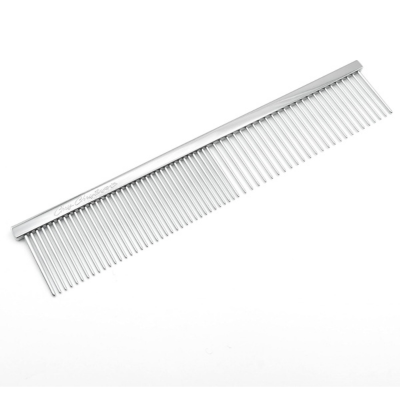
Chris Christensen
Butter Comb
Groom like a professional. Highly-rated. Suitable for all coat types. Handcrafted to the finest detail.
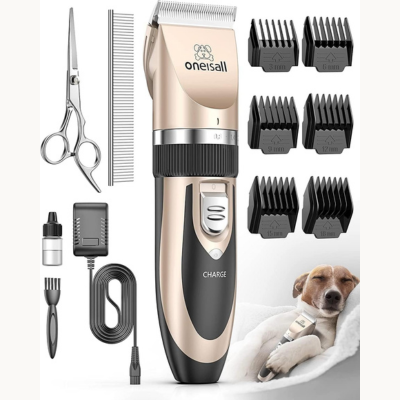
Low Noise Grooming Kit
Rechargeable & Cordless
Includes brush, charger, comb, guide combs, mineral oil, sissors. Great for beginner groomers.
Receive thoughtful updates, helpful tips, and sneak peeks at the upcoming Catacats guidebook.
Disclosure & Disclaimer: As an Amazon Associate, I may earn commission from qualifying purchases at no extra cost to you. All recommendations are based on research and experience to help you provide the best care for your cats. The information provided is for educational purposes only and is not a substitute for professional veterinary advice. Always consult your veterinarian regarding your cat’s health, diet, and care.