
Collars, Harnesses & Leashes
Understanding the Importance of Proper Fit
Ensuring a proper fit for cat collars, harnesses, and leashes is essential. Since cats come in various sizes and shapes, careful sizing is crucial. Well-fitted equipment offers both safety and comfort. Always select gear specifically designed for cats, as dog collars are often too heavy or stiff for them.
Collar Fit and Selection
To fit a quick-release breakaway collar:
- Measure at the highest point of the neck, just behind the ears, using a soft measuring tape for accuracy.
- Apply the one-finger rule: you should be able to slide one finger comfortably between the collar and your cat’s neck.
- Ensure the collar does not slide easily over your cat’s head; if it does, it is too loose.
- Choose adjustable collars to accommodate changes in your cat’s weight or coat thickness.
Harness Fit and Selection
To ensure a proper harness fit, measure around the broadest part of your cat’s chest.
- Apply the two-finger rule: you should be able to fit two fingers between the harness and your cat’s body.
- Ensure the harness allows movement and easy breathing.
- Select an adjustable harness for a customized fit. Larger cats, including Maine Coons, may require special consideration when choosing a harness.
Proper fit is more than comfort. Ill-fitting gear can cause choking, skin damage, restricted movement, or escape. Always check the size, material, and adjustability to ensure your cat’s safety and freedom.
Safety First: The Critical Role of Quick-Release Collars and Identification
Cats are agile and curious, often exploring tight spaces. These traits increase the risk of a collar snagging. Quick-release (breakaway) collars unfasten under tension, letting a cat escape if caught. This simple mechanism prevents strangulation or serious injury.
Identification is just as important. Even indoor cats can escape, and an ID tag on a breakaway collar helps ensure a safe return. Include your phone number and key medical details. Microchips require scanning, but an ID tag provides an immediate link to the owner.
When selecting a collar:
- Prioritize lightweight materials.
- Consider reflective or glow-in-the-dark elements for nighttime visibility.
- Balance comfort, practicality, and visibility without limiting natural movement.
Physical Dangers of Collars and Harnesses: What to Watch Out For
Collars and harnesses are essential safety tools, but they must be used responsibly. Cats that resist or panic may twist or pull, which can lead to neck strain, abrasions, or choking. Additionally, collars can slip into a cat’s mouth and trap the jaw, or a leg may get caught in the harness. Always supervise your cat when using new gear and ensure a proper fit to minimize stress and injury.
A critical safety warning: Flea and tick collars, especially those made for dogs, must be chosen with care. Misuse can be dangerous.
- Never use a dog pesticide collar on a cat, as this can be extremely dangerous. Many dog collars contain insecticides, such as permethrin, tetrachlorvinphos (TCVP), or propoxur, which are toxic to cats. Even brief exposure can cause tremors, drooling, vomiting, seizures, or death.
- Even cat-specific flea collars can cause skin irritation, especially when worn continuously or on sensitive cats. Prolonged use may lead to dermatitis, sores, or fur loss, and can pose safety concerns if not used as directed. Safer alternatives include veterinarian-approved topical or oral preventives, which are precisely dosed for cats and minimize the risk of adverse reactions.
Regularly check your cat’s neck and chest for redness, swelling, or hair loss. Remove collars occasionally to clean them and give delicate skin a break. Pick soft, breathable materials and avoid heavily treated or scented products. Choose safety over gimmicks to protect your cat.
Temperature Considerations: Harnesses and Your Cat’s Comfort
Harness use is growing among cat owners, but temperature should always be considered. Cats regulate heat less efficiently than dogs, and a harness can trap it. Temperatures above 79°F can quickly cause overheating, especially in thick-coated or dark-furred cats.
Signs of heat stress include:
- Panting
- Drooling
- Lethargy
- Rapid heartbeat
If these symptoms appear, remove the harness, provide water, and move your cat to a cool spot. Panting in cats is never normal and may signal an emergency requiring immediate veterinary care.
For safe outdoor exploration:
- Schedule walks in early mornings or late evenings when temperatures are cooler.
- Use lightweight, breathable mesh harnesses.
- Take frequent breaks in shaded areas.
These steps prevent heat buildup, keeping outdoor exploration safe and enjoyable.
In Conclusion
Properly chosen and fitted collars, harnesses, and leashes are essential tools for safety, identification, and enrichment.
- Quick-release collars prevent accidents.
- Identification tags expedite safe returns.
- Breathable harnesses enable healthy exploration.
Use caution. Never use dog pesticide collars, and regularly check your cat’s gear for wear, fit, and skin health. Informed choices ensure that every collar, leash, or harness enhances your cat’s safety rather than risks it.
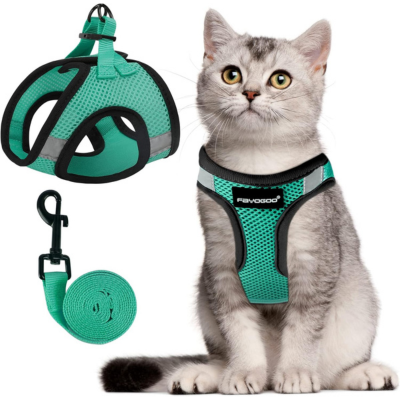
Cat Harness and Leash Set
Soft & Lightweight
Breathable air-mesh vest prevents overheating. No-choke design avoids pressure on sensitive throat.
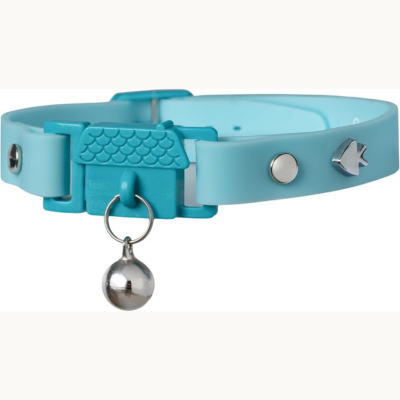
Cat Collar with Bell Breakaway Quick Release
Hypoallergenic cat-friendly breakaway collar.
Adult cat collar size 7.7″- 10.4″. Kitten 5.7″-7.3″.
Receive thoughtful updates, helpful tips, and sneak peeks at the upcoming Catacats guidebook.
Disclosure & Disclaimer: As an Amazon Associate, I may earn commission from qualifying purchases at no extra cost to you. All recommendations are based on research and experience to help you provide the best care for your cats. The information provided is for educational purposes only and is not a substitute for professional veterinary advice. Always consult your veterinarian regarding your cat’s health, diet, and care.