
Caring for Your Cat’s Teeth
A Calm, Honest Guide to Feline Dental Health
When we think about keeping our cats healthy, dental care is often the last thing on the list, until something goes wrong. Yet your cat’s oral health affects far more than their mouth. Painful teeth and inflamed gums can impact eating, behavior, mood, and overall quality of life.
The good news? Dental care doesn’t have to be stressful or complicated. It just needs to start off right.
Understanding Your Cat’s Teeth
Cats are obligate carnivores, and their teeth are built for tearing and slicing, not chewing. An adult cat has 30 teeth, each designed for a specific purpose.
- Incisors help with grooming and nibbling
- Canines (the long “fangs”) grasp and tear food
- Premolars and molars slice food into swallowable pieces
Because cats don’t chew the way humans do, plaque and tartar can build up quietly, often without visible symptoms. That’s why dental disease is so common, and why prevention matters.
Why Dental Health Matters More Than You Think
Dental disease affects most adult cats. Plaque buildup can lead to gum inflammation, infection, loose teeth, and significant pain. In advanced cases, bacteria from the mouth can enter the bloodstream and affect organs such as the heart, liver, and kidneys.
Tooth Brushing Starts With One Non-Negotiable Rule.
If your cat does not like the toothpaste, tooth brushing will never succeed.
Toothpaste is the entire experience for your cat. If the flavor is unpleasant, there is no learning, no trust, and no progress.
If your cat:
- Squints their eyes
- Turns their head away
- Licks once and walks off
That’s your signal to stop and switch flavors.
Cat-specific toothpastes come in flavors like chicken, seafood, or malt because cats must first enjoy the taste. Think of toothpaste as a reward, not a cleaning product.
Why Human and Dog Toothpaste Are Dangerous for Cats
This point cannot be stressed enough:
Human and dog toothpaste must never be used on cats.
Here’s why:
Fluoride
Human toothpaste contains fluoride, which is safe for people who spit it out, but cats cannot. Swallowing fluoride can cause stomach upset, drooling, vomiting, and, with repeated exposure, toxicity.
Xylitol
Some human toothpastes contain xylitol, an artificial sweetener that is extremely dangerous to pets. While its effects are best documented in dogs, xylitol is not considered safe for cats and should be avoided at all times.
Foaming Agents and Detergents
Human and dog toothpastes are designed to foam. These foaming agents can irritate a cat’s mouth and digestive system, making the experience unpleasant or frightening and ending any chance of successful brushing.
Flavor Mismatch
Mint may smell “clean” to us, but to cats, it is overwhelming and aversive. An unpleasant flavor instantly creates a negative association, making future dental care nearly impossible.
Only toothpaste specifically formulated for cats is safe to swallow and designed for feline tastes.
Introducing Toothpaste the Catacats Way
Always start without a toothbrush.
- Place a tiny amount of cat-safe toothpaste on your finger (safely) or with a finger toothbrush
- Let your cat sniff and lick it freely
- Watch their reaction
If your cat licks it willingly, you’ve found the right toothpaste. If they walk away or squint, try another flavor. Many cats reject one flavor and love another; this is completely normal.
Only once your cat enjoys the toothpaste should you gently touch their lips or teeth with your finger. Brushing comes later, and there is no rush.
Making Tooth Brushing Calm and Successful
When toothpaste acceptance comes first, brushing becomes much easier.
- Use a soft cat toothbrush or finger brush
- Focus on the outer surfaces of the teeth
- Keep sessions short and calm
- End on a positive note every time
Even brushing two or three times per week can significantly reduce plaque and tartar buildup.
Alternatives When Brushing Isn’t Possible
Some cats will never accept brushing, and that’s okay. Brushing is ideal, but not the only option.
Helpful alternatives include:
- Veterinary-approved dental treats
- PlaqueOff Powder for cats
- Dental-support diets
- Cat-safe water additives
These work best alongside regular veterinary dental exams.
Signs Your Cat May Have Dental Pain
Watch for subtle changes such as:
- Bad breath
- Drooling
- Eating slowly or on one side
- Pawing at the mouth
- Behavioral changes or irritability
Any of these signs warrants a veterinary dental check.
Professional Dental Care and Costs
Veterinary dental cleanings are performed under anesthesia so the teeth can be cleaned below the gum line safely.
Typical costs include:
- Dental cleaning: $200–$500
- Tooth extractions: $300–$1,000 per tooth
Preventive care at home can greatly reduce the need for these procedures.
Dental Care for Senior Cats
Older cats are more prone to dental disease and may need softer food and more frequent dental evaluations. If a senior cat becomes hesitant to eat, dental discomfort should always be considered.
A Healthier Mouth, A Happier Cat
Dental care doesn’t need to be perfect; it needs to be kind, patient, and safe.
At Catacats, we believe success comes from working with your cat, not forcing them. When you start with the right toothpaste, avoid dangerous products, and move at your cat’s pace, dental care becomes manageable, and sometimes even enjoyable.
Your cat’s comfort always comes first.
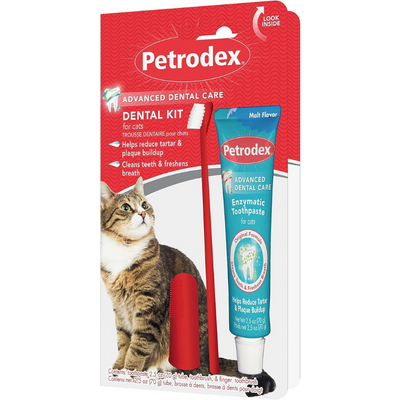
Dental Care Kit for Cats
Appealing Malt Flavor
Everything you need to clean your cat’s teeth in one easy-to-use kit.
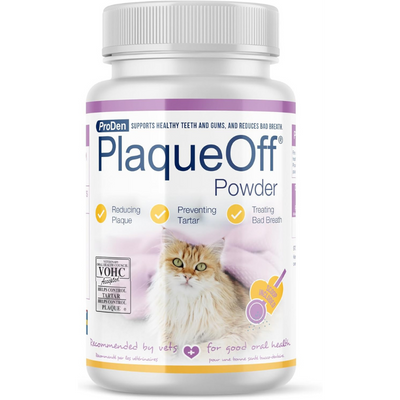
PlaqueOff Powder for Cats
Designed for feline palates
This cat breath freshener helps improve mouth odor over time as it works to reduce plaque and tartar.
Receive thoughtful updates, helpful tips, and sneak peeks at the upcoming Catacats guidebook.
Disclosure & Disclaimer: As an Amazon Associate, I may earn commission from qualifying purchases at no extra cost to you. All recommendations are based on research and experience to help you provide the best care for your cats. The information provided is for educational purposes only and is not a substitute for professional veterinary advice. Always consult your veterinarian regarding your cat’s health, diet, and care.