
Potty
Cat Litter and Cat Box Basics
The litter box is much more than just a hygiene necessity; it is one of the most valuable tools for monitoring your cat’s health. Subtle changes in urine volume, color, or frequency can be early indicators of kidney disease, diabetes, or urinary tract infections. Similarly, differences in stool consistency, color, or the presence of blood may signal digestive issues, parasites, or more serious conditions.
Cats instinctively hide pain and illness, so these signs often appear in the litter box long before you notice changes in your cat’s behavior. This makes not only the type of litter you choose important, but also how you size, place, and maintain the litter boxes. Seeing clearly and checking them daily can make the difference between early intervention and missing a warning sign.
Choosing the Right Type of Cat Litter: Some Pros and Cons
Clumping Clay (Bentonite)
- Pros: Easy to scoop, good odor control, widely available.
- Cons: Dusty, not eco-friendly, heavy to handle, can cause respiratory irritation.
Non-Clumping Clay
- Pros: Often cheaper, absorbs well.
- Cons: Needs frequent full changes, poor odor control, same environmental concerns as clumping clay.
Silica Crystals
- Pros: Excellent moisture and odor absorption, long-lasting.
- Cons: Doesn’t clump, some cats dislike the texture, more expensive.
Corn / Wheat / Grass-Based
- Pros: Biodegradable, lighter weight, usually low dust.
- Cons: May mold if damp, can attract bugs, costlier than clay.
Pine (pellets or shavings)
- Pros: Natural odor control, biodegradable, low dust.
- Cons: Strong scent may bother some cats, less effective clumping.
Paper Pellets
- Pros: Soft on paws, non-toxic, good for kittens or post-surgery cats.
- Cons: Poor odor control, doesn’t clump, needs frequent changing.
Walnut Shells / Other Naturals
- Pros: Eco-friendly, often clumping, unique textures.
- Cons: Pricier, availability varies, some cats won’t use them.
A Note on Unscented Cat Litter (preferred)
Unscented cat litter supports a cat’s natural behavior, scent cues and overall health by avoiding strong fragrances that can be overwheling, and irritating. In addition, they have to lick their paws as part of normal grooming, which means they have to ingest or be further exposed to the chemical fragrances. Without added perfumes, it reduces the risk of respiratory irritation, allergies and stress–especially for kittens, senior cats and sensitive cats. Unscented litter also manges odors through cleanliness rather than chemicals, encouraging consistent ltter box use and a healthier home environment.
Stainless Steel Litter Boxes (why these are the best choice)
- Pros: Stainless Steel litter boxes are far more sanitary than plastic. Over time with repeated use, plastic litter boxes develop pores and scratches. These tiny crevices trap urine, feces, moisture, bacteria, mold spores, yeasts, odor causing ammonia and also develop microbial biofilms that resist soap and water cleaning. Stainless steel allows for more thorough sanitizing, maintains better hygiene and a fresher environment.
- Cons: Heavier, higher upfront cost.
A Note on Litter Box Size
A large cat needs a significantly large litter box so they can turn around, squat comfortably, and dig without feeling cramped. Litter boxes commonly sold in pet stores are for average-sized cats, and will not accomodate large breeds such as Maine Coons. When the box is too small, cats may avoid using it, miss the box, or develop stress-related habits. In addition, high sides and no cover are best to give the sense of space and to prevent trapped oders. Proper size helps maintain cleanliness, comfort, and consistent litter box use.
A Note on Litter Box Cleaning
A cat’s sense of smell is highly evolved, far more sensitive than a human’s, so odors and chemical scents that seem mild to us can be overwhelming or even dangerous to them. Scooping the litter box at least twice a day removes waste before odors build up, helping keep the box clean, comfortable, and inviting. Because cats naturally avoid dirty or strongly scented areas, an unclean or chemically scented litter box may cause them to hold their urine, eliminate outside the box, or choose other areas of the home. Regular, thorough scooping supports hygiene, reduces stress, and helps prevent litter box avoidance, accidents, and the development of unwanted habits.
It also adds an extra layer of cleanliness. While Toxoplasmosis is uncommon and the risk from household cats is generally low, the parasite found in feces needs 1-5 days to become infectious. Removing waste daily simply helps reduce that already small risk even further.
Avoid litter box liners, as they tend to cause more problems than they solve. They wrinkle, shift, tear, trap urine, and some cats will reject the box entirely. Cat’s are extremely sensitive to how surfaces feel under their paws.
Cleaning Safety Guidelines
- Never use air fresheners, including sprays, plug-ins, or diffusers. These products emit strong scents, and many contain substances toxic to cats.
- Avoid ammonia and bleach. Both are dangerous to cats, leave strong, lingering odors, and emit ammonia-like odors similar to urine, which can trigger inappropriate elimination.
- Do not use essential oils. Many are toxic to cats, even in small amounts. The top three to avoid are:
- Tea tree (melaleuca) oil
- Eucalyptus oil
- Citrus oils (lemon, orange, lime, grapefruit)
- Avoid heavily scented or “pine” cleaners. Products such as Pine-Sol are toxic to cats and should never be used on or near litter boxes.
- Hot water is sufficient for routine cleaning, especially when using a stainless steel litter box.
- For deeper cleaning, use a mild, unscented soap and rinse thoroughly to remove all residue.
Keeping the litter box clean without added fragrances or harsh chemicals respects a cat’s sensitive nose and supports long-term litter box success. Cat’s also rely on their own natural scent cues to feel secure.
A Note on Robotic Litter Boxes
- You lose the chance to check daily for changes in urine or stool—critical early warning signs of health problems.
- Off-brand models can be unsafe, with reports of cats being injured, trapped and even killed.
- Mechanical parts can fail, leaving you with a very expensive mess.
In Conclusion
Select a litter, such as an unscented option, that strikes a balance between your cat’s comfort, your cleaning routine, and environmental impact. Just as important is choosing a litter box that is large enough for your cat to enter, turn around, and dig comfortably; many standard boxes are too small and can discourage proper use. In homes with multiple cats, provide multiple litter boxes (ideally one per cat, plus one extra) to reduce stress, prevent conflict, and support consistent bathroom habits.
If you have physical limitations, such as back problems or mobility issues, lightweight litters and thoughtfully placed boxes can make daily maintenance more manageable. For those with allergies or respiratory sensitivities, low-dust formulas are essential, for both your health and your cat’s. While robotic boxes may seem convenient, especially if bending is difficult, they limit your ability to observe critical daily health indicators. If traditional scooping is challenging, consider alternatives such as litter box furniture at a comfortable height or enlisting help for daily checks, because your cat’s health truly depends on you seeing what’s in the litter box every day.
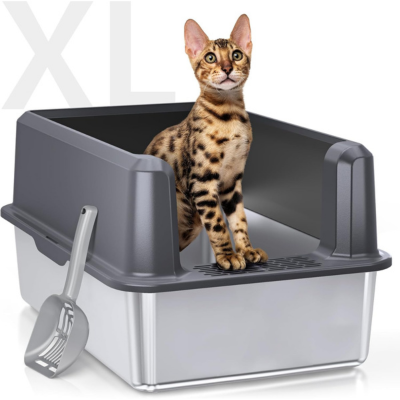
Stainless Steel Cat Litter Box
Stainless steel litter box with high sides. Easy to clean, durable and rust proof. 23.5″ X 15.6″ X 13″
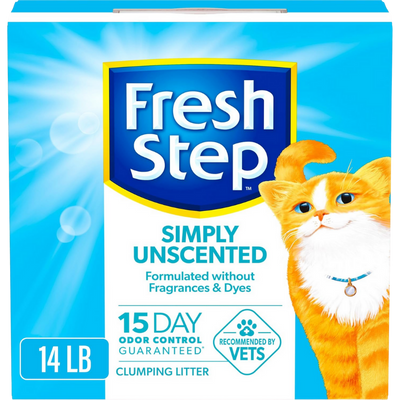
Unscented Clumping Litter
Pack of 3, 14 lb. boxes of Fresh Step Simply
Unscented Clumping Litter, activated charcoal kitty litter.
Learn More
Beds: Why proper sleep spaces reduce stress, support regulation, and strengthen feline well-being.
Scratch Posts: Why scratching structures are essential infrastructure for feline health, regulation, and safety.
Receive thoughtful updates, helpful tips, and sneak peeks at the upcoming Catacats guidebook.
Disclosure & Disclaimer: As an Amazon Associate, I may earn commission from qualifying purchases at no extra cost to you. All recommendations are based on research and experience to help you provide the best care for your cats. The information provided is for educational purposes only and is not a substitute for professional veterinary advice. Always consult your veterinarian regarding your cat’s health, diet, and care.