
Cat Toys: Why Play Is Essential for Your Cat
In the book Total Cat Mojo, Jackson Galaxy and Dr. Mikel Delgado emphasize that a cat’s well-being relies on more than just food and shelter; it also involves engagement. Play is crucial for cats, as it helps them exercise their instincts, build confidence, and maintain emotional balance. The focus is not simply on the toy itself, but on the overall experience of stalking, chasing, and capturing, which gives them a sense of purpose and satisfaction.
Interactive play gives cats an outlet for their hunting drive while strengthening trust with their humans. When engagement is missing, boredom and frustration can quietly take hold, sometimes showing up as stress-related behaviors or withdrawal. The right toys, used thoughtfully and consistently, help preserve a cat’s physical health, mental stimulation, and sense of security in their world.
Why Toys Matter
- Exercise & fitness – Play burns calories, keeps muscles lean, and supports heart health.
- Instinct satisfaction – Toys mimic prey, giving cats an outlet for stalking and pouncing.
- Mental enrichment – Solving, chasing, or hunting toys stave off boredom and anxiety.
- Bonding – Shared play helps strengthen the trust between you and your cat.
A cat that receives proper play is calmer, more confident, and less likely to develop stress-driven behavioral problems.
Types of Toys (and What They Do)
- Interactive toys – Wands, feathers, or motorized “prey” spark running and pouncing.
- Puzzle feeders – Food-dispensing toys keep brains sharp while working muscles. They can also temper overly enthusiastic treat eating.
- Catnip & silvervine toys – Plushes and ropes trigger excitement or relaxation. Great for comfort and play.
- Classics – Balls, popular springs, tunnels, paper bags, and cardboard boxes: simple, timeless, irresistible.
- High-tech toys – Remote-controlled or auto-movers can fill gaps, but require caution.
Rotate weekly. Cats get bored quickly with the same old mouse.
Safety First (No Exceptions)
Toys must constantly enrich—not endanger. Hazards to watch for:
- Choking & swallowing – Avoid small parts, beads, bells, or loose strings.
- Toxic materials – Cheap plastics or dyes may contain chemicals. Look for pet-safe, non-toxic labels, or choose natural fibers like cotton, wool, or untreated wood. Closely monitor toys with batteries.
- Broken toys – Replace immediately. A cracked ball or frayed wand can do damage, or parts can be ingested.
- Long fur dangers – Long-haired cats, long fine fur in particular, and those with thick ruffs can get fur caught in wheels or moving parts of battery-operated toys. Either supervise or avoid motorized toys altogether with exposed parts if your cat has a long coat.
- DIY safely – Boxes, paper balls, and rolled socks are excellent—but keep sizes safe and never leave string or ribbon unattended.
Supervision is important. If it moves, whirs, dangles, or has parts, watch your cat play.
Tailor Toys to Your Cat
Not every cat wants the same thing:
- Kittens – Explosive energy, need toys that chase back (wand teasers, balls).
- Adults – Balance is key—some need brain games, others need chase sessions.
- Seniors – Still hunters at heart. Softer toys, slower play, and puzzles keep them engaged without strain.
- Fur type matters – A long-haired cat may need toys without wheels or moving parts that it could get caught or stuck in. A sleek, short-haired cat might prefer faster chase toys.
Above all: watch, learn, and adapt. The best toy is the one that matches your cat’s instincts, body, and comfort level.
Making a Play Routine
Cats thrive on rhythm. Aim for two short sessions a day (10–15 minutes). Play in hunting sequences: stalk → chase → pounce → catch. End with a treat or a meal for satisfaction.
Change toys often, vary the style, and always let your cat win sometimes. A frustrated hunter is not a happy one.
In Conclusion
Cats aren’t just passive companions; they are skilled hunters with sharp minds, powerful bodies, and instincts that remain strong even when they live indoors. Toys are not optional accessories for them; they are essential tools through which cats express their true nature. When given a safe outlet for their instincts, cats become calmer, more confident, and better equipped to handle their surroundings.
Thoughtfully chosen toys, regular play, and safe supervision don’t just prevent boredom; they protect emotional health, reduce stress-related behaviors, and strengthen the bond between you and your cat. By honoring your cat’s natural drive to stalk, chase, and capture, you’re not indulging them, you’re meeting a fundamental biological need.
A cat allowed to be a hunter, even in play, is a cat that thrives.
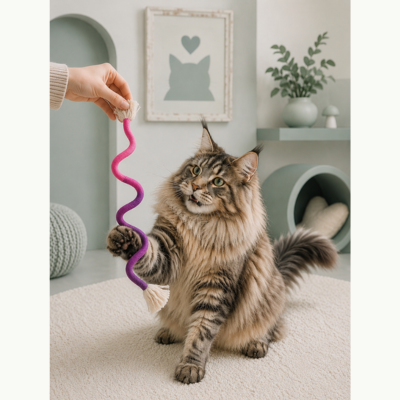
Chew Ropes with Natural Catnip & Silvervine
Natural cotton & sisal material, serves as a teeth cleaning toy. Especially good for BIG cats.
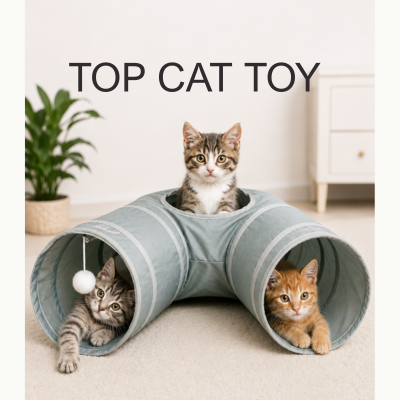
3-Way Collapsible
Cat Play Tunnel
Hours of interactive fun. Tear-resistant tunnel with dangling ball on the exit.
Learn More
Scratching Posts: Why size, materials, and structural stability matter—especially true for large and powerful cats.
Catnip: Learn how catnip and safe alternatives enrich play, reduce stress, and support mental stimulation.
Receive thoughtful updates, helpful tips, and sneak peeks at the upcoming Catacats guidebook.
Disclosure & Disclaimer: As an Amazon Associate, I may earn commission from qualifying purchases at no extra cost to you. All recommendations are based on research and experience to help you provide the best care for your cats. The information provided is for educational purposes only and is not a substitute for professional veterinary advice. Always consult your veterinarian regarding your cat’s health, diet, and care.