
Cat Grooming Guide: Fur, Skin, and Coat Care
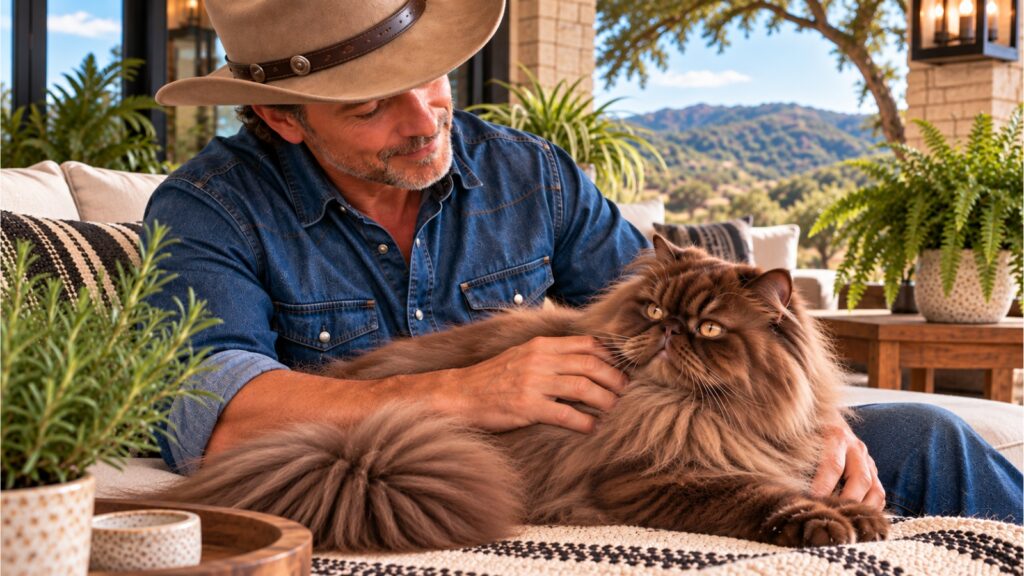
Grooming Is Preventive Health Care, Not Cosmetic Care
Grooming is one of the most overlooked pieces of feline wellness. Cats groom themselves for hours a day, so it’s easy to assume they have it handled. Most of the time they do. But coat problems creep in quietly, through matting, shedding that won’t quit, irritated skin, or hygiene struggles that get harder to manage as a cat ages, gains weight, or loses mobility.
The 2021 AAHA/AAFP Feline Life Stage Guidelines put a number on this: veterinarians are told to treat a change in grooming habits as a genuine clinical clue, not a footnote. A cat who suddenly grooms more may be dealing with allergies, an immune condition, a parasite, or a skin infection. A cat who grooms less, especially an older cat, may be signaling pain, and osteoarthritis is one of the most common and underdiagnosed conditions in cats past middle age. Grooming, in other words, is a two-way window. It’s not just something we do to a cat. It’s something a cat’s own habits can tell us.
At Catacats, that’s the lens we use. Grooming supports comfort, mobility, skin integrity, and early detection, not just a tidy-looking coat.
Understanding the Cat’s Coat and Skin
A cat’s coat is a living system tied directly to skin health, circulation, and nutrition. Healthy fur depends on:
- Adequate, species-appropriate nutrition
- Proper hydration
- An intact skin barrier
- Regular removal of dead hair and debris
Feline skin is thinner and more elastic than human or canine skin, which gives cats their remarkable flexibility but also makes their skin easier to nick, tear, or puncture. This is the single biggest reason scissors have no place anywhere near a cat’s skin. What looks like a small snip can open the skin before you even feel resistance.
Matting Is a Medical Issue – Not Just a Cosmetic One
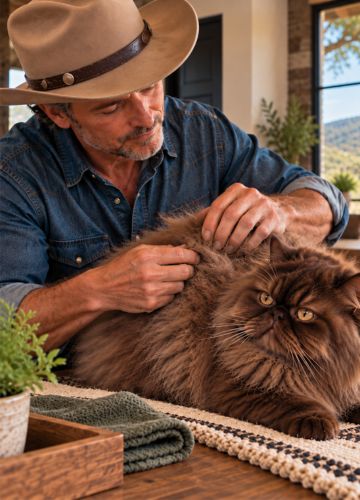
Why Mats Are Dangerous
Mats are not harmless tangles. A mat that’s allowed to tighten can:
- Pull continuously on the skin, causing inflammation and pain
- Restrict a cat’s normal range of motion
- Trap moisture, feces, and debris against the skin
- Create a warm, damp environment that can encourage bacterial and yeast growth
- Hide wounds, parasites, or growths underneath
- Contribute to discomfort and restricted movement
In the most severe cases, called pelting, an entire section of coat fuses into one connected mat. Severely pelted fur can place significant pressure on the skin underneath and may contribute to sores, irritation, and other skin damage. Groomers who work with heavily matted cats may find wounds, infections, or fleas hiding under fur that looked fine from a distance.
How Mats Can Affect Movement and Comfort
Healthy skin moves freely over the tissues beneath it. A tightening mat pulls on the skin and restricts that normal movement. Over time, this can:
- Alter a cat’s posture and gait
- Create ongoing tension and discomfort
- Make normal movement less comfortable
- Make grooming sessions more painful, which can cause the cat to resist grooming more
This matters most for large, heavy-coated breeds and for senior cats, who are already coping with reduced flexibility and, often, undiagnosed arthritis.
High-Risk Matting Areas
- Under the arms (axillae)
- Belly and groin
- Behind the ears
- Around the collar
- Base of the tail
This is particularly significant in large, heavy-coated breeds and senior cats, who already experience reduced flexibility.
High-Risk Matting Areas
- Under the arms
- Belly and groin
- Behind the ears
- Collar area
- Base of the tail
These spots see the most friction and movement, so they can mat first and fastest, especially in the days after a bath or during hot, humid weather.
Grooming by Fur Type: Individualized Care Is Essential
Short-Haired Cats
Brush 1 to 2 times per week with a rubber grooming brush or a soft-bristle brush. This usually reduces shedding and helps distribute natural skin oils.
Medium-Haired Cats
Brush 2 to 3 times per week. A slicker brush followed by a quality comb catches the friction zones (armpits, collar, base of tail) before small knots become real mats.
Long-Haired Cats (Including Maine Coons)
Brush at least 3 to 5 times a week, and ideally every day. Maine Coons, Norwegian Forest Cats, and Ragdolls carry dense, often double-layered coats that can mat quickly when grooming is neglected. This coat type needs a patient, layered approach, not fast or heavy-handed brushing.
The Steel Comb Every Long-Haired Cat Deserves
Professional feline groomers consistently reach for a stainless steel comb with rounded teeth (often called a butter comb) as a go-to finishing tool for long-haired cats. Here’s why it earns that reputation:

Rounded teeth protect delicate skin. Cheap or poorly finished combs can catch or scratch a cat’s skin. Rounded tips glide instead.
Solid stainless steel resists snagging. Softer or flexible metals can bend under resistance, pulling hair and causing discomfort instead of working through it.
Correct tooth spacing reaches the undercoat. A good comb moves through both the topcoat and undercoat without unnecessarily stripping healthy fur.
It finds mats before you can feel them coming. A comb reveals resistance that a brush can glide right past, which is exactly the early warning you want.
It’s built for dense, layered coats. Maine Coons and similar breeds need controlled, thorough grooming, not just surface brushing.
A brush is genuinely useful for pulling out loose, dead fur. It just isn’t reliable for detecting tangles down at the skin. The groomer’s habit worth borrowing at home: brush first, then comb through to confirm the coat is actually mat-free, not just smooth-looking on top. If the comb doesn’t pass through cleanly, there’s still work to do.
Safe Mat Management: Prevention Over Removal
Catch tangles early. A loose knot today is a five-minute fix; a tight mat in three weeks is painful.
Never cut a mat with scissors near the skin. Cat skin can pull or tent up into a mat as it tightens, so what looks like cutting fur can result in cutting skin. This is one of the most common causes of accidental lacerations in home grooming.
Instead, use:
- A rounded-tip mat splitter, worked from the tip of the mat toward the skin, never the reverse
- Quiet, cat-specific clippers with a safety guard, if you’re comfortable using them
When mats are tight, widespread, or fused to the skin, that’s when a professional groomer or veterinarian should take over. Attempting to remove severe or pelted mats at home increases the risk of skin lacerations, and it’s simply not worth the risk to either of you.
Hygiene & Sanitary Coat Care
Sanitary trimming can make a real difference in comfort for long-haired cats, senior cats, and cats with mobility or digestive challenges. Using cat-safe grooming scissors or clippers, fur can be carefully trimmed around:
- The rear end
- Inner thighs
- Between the paw pads, to cut down on litter tracking
Work slowly, and never pull the skin taut while trimming. Taut skin is exactly what makes a nick more likely.
Beyond the Coat: Whole-Body Grooming Checks
Ears. Check weekly. Clean only the visible portions with a veterinarian-approved cleanser, and never insert anything into the ear canal.
Eyes and face. Wipe gently with a soft, damp cloth to remove discharge before it hardens. Persistent tearing, redness, or squinting warrants a veterinary visit, not a wait-and-see approach.
Paws and feet. Check between the toes for debris, inspect the pads for cracks or irritation, and trim excess fur between the pads for better traction and hygiene.
Nutrition’s Role in Coat Health
Grooming tools can only do so much if the coat they’re working on isn’t being built from the right raw materials. Skin cell renewal requires a steady supply of essential nutrients, and inadequate nutrition can contribute to changes in skin and coat quality.
Cats cannot produce certain essential fatty acids, so omega-3s and omega-6s need to come from their diet. These fatty acids play important roles in maintaining healthy skin and coat. AAFCO nutrient profiles establish minimum requirements for essential fatty acids in complete and balanced commercial cat foods.
A quick self-check: if a cat’s coat looks dull despite a solid grooming routine, and there’s no obvious flea, allergy, or other health issue, talk to your vet about diet. Give a food change time before judging results. Coat turnover isn’t instant.
When Grooming Habits Signal a Health Problem
This is the piece that’s easy to miss: a cat’s own grooming behavior is diagnostic information. Per the AAHA/AAFP Feline Life Stage Guidelines, a sudden increase in grooming can point to allergies, food sensitivity, an immune-mediated skin condition, parasites, or an infection. A cat who’s grooming noticeably less, particularly an older cat who starts skipping the hard-to-reach spots, may be dealing with pain from arthritis, which is commonly underdiagnosed in cats because they can hide signs of pain so well.
If a cat’s grooming habits shift in either direction and stick around for more than a few days, that’s worth a call to the vet, not just a note to brush more.
Creating a Low-Stress Grooming Routine
The 2022 AAFP/ISFM Cat Friendly Veterinary Interaction Guidelines offer useful groundwork for low-stress handling. Introduce grooming in a way that keeps the cat comfortable and as much in control as possible. Starting in less sensitive areas and gradually working toward areas a cat may find uncomfortable is generally better than immediately tackling the tail, belly, or a developing mat.
A few habits make grooming feel safe instead of stressful:
- Keep sessions short; 5 to 10 minutes is plenty
- Groom somewhere quiet and familiar
- Move slowly and deliberately
- Stop the moment you see tail flicking, skin twitching, or ears pinning back
- Follow up with a treat or play, so grooming ends on a good note
Cats who get this kind of low-stress introduction early tend to tolerate, and sometimes genuinely enjoy, grooming for life. It also means fewer surprises later, since a cat who trusts being handled is a cat whose owner will actually notice a new lump, a sore spot, or a mat before it becomes a real problem.
Frequently Asked Questions
How often should I groom my cat?
Short-haired cats need brushing 1–2 times a week, medium-haired cats 2–3 times a week, and long-haired cats like Maine Coons need brushing 3–5 times a week, ideally daily. More frequent brushing helps prevent mats, reduces shedding, and gives you more opportunities to notice skin problems early.
Is matted fur actually dangerous, or just unsightly?
Matted fur is a medical issue, not a cosmetic one. Tight mats pull on the skin, trap moisture and debris, and can restrict movement. In severe cases, called pelting, mats can place significant pressure on the skin and contribute to skin damage underneath.
Can I cut mats out of my cat’s fur with scissors?
No. Cat skin can pull or tent up into a mat as it tightens, so scissors can cut the skin before you feel any resistance. Use appropriate cat-grooming tools instead, and see a groomer or veterinarian for severe mats.
What’s the best comb for a long-haired cat?
A stainless steel comb with rounded teeth, often called a butter comb, is a popular choice among professional groomers. It reaches the undercoat and reveals hidden mats that a brush alone may miss.
Why is my cat grooming more or less than usual?
A sudden increase in grooming can signal allergies, parasites, or a skin condition. A decrease, especially in older cats, can point to pain, including arthritis, which is commonly underdiagnosed in cats. Either change is worth discussing with your veterinarian.
Does diet affect a cat’s coat condition?
Yes. Cats cannot produce certain essential fatty acids, so omega-3s and omega-6s need to come from their diet. Adequate essential fatty acids support healthy skin and coat, while nutritional deficiencies can contribute to poor coat quality.
The Catacats Grooming Philosophy
Grooming, done well, is:
- Preventive, not reactive
- Comfort-focused, not cosmetic
- Tailored to coat type, body size, and life stage
- Tool-appropriate and skin-safe
- Grounded in current veterinary and feline-behavior research
A properly groomed cat isn’t just better-looking. Their skin stays healthier, their movement stays more comfortable, and problems that would otherwise hide under a coat of fur get caught early, while they’re still easier to address.

Chris Christensen
Butter Comb
Groom like a professional. Highly-rated. Suitable for all coat types. Handcrafted to the finest detail.
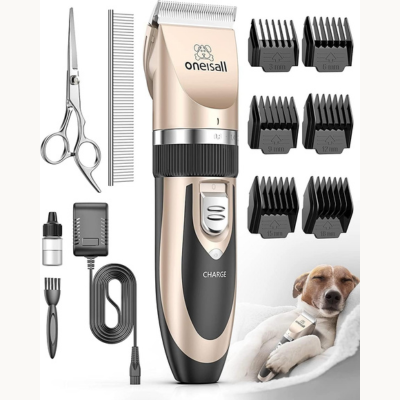
Low Noise Grooming Kit
Rechargeable & Cordless
Includes brush, charger, comb, guide combs, mineral oil, sissors. Great for beginner groomers.
Learn More
Nutrition: Understanding what cats are biologically designed to eat helps guide healthy feeding choices.
Vet Visits: Regular veterinary exams help detect health problems early.
Receive thoughtful updates, helpful tips, and sneak peeks at the upcoming Catacats guidebook.
Disclosure & Disclaimer: As an Amazon Associate, I may earn commission from qualifying purchases at no extra cost to you. All recommendations are based on research and experience to help you provide the best care for your cats. The information provided is for educational purposes only and is not a substitute for professional veterinary advice. Always consult your veterinarian regarding your cat’s health, diet, and care.