
Understanding Cat Claws: Anatomy, Care, and Why
Declawing Is Harmful
Cat claws are not just sharp tips at the end of a paw. They’re living, functional structures that support a cat’s movement, comfort, and emotional well-being. Understanding how claws work makes it easier to see why veterinary and animal welfare organizations have moved so firmly away from declawing, and what to do instead.
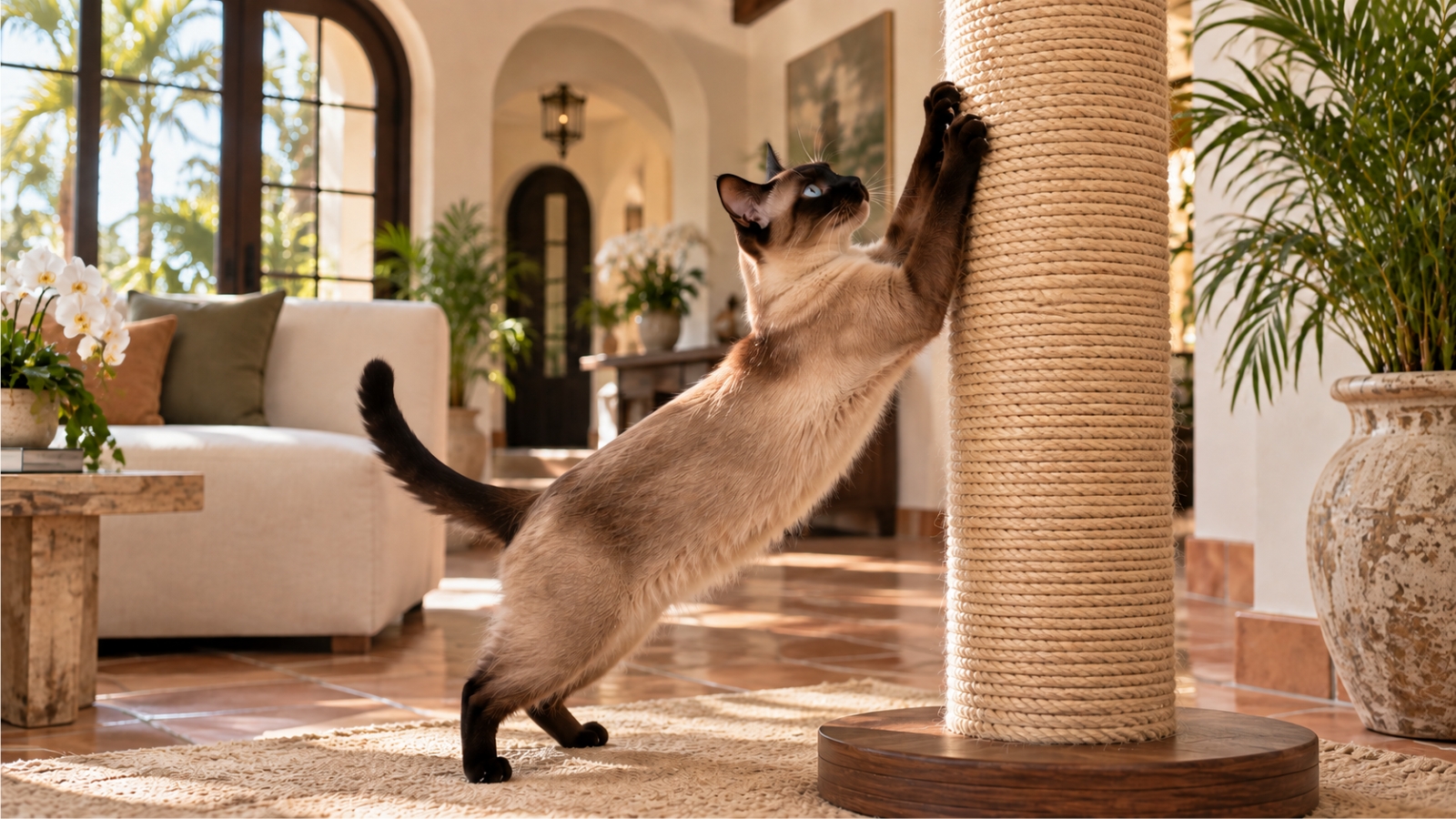
The Anatomy of a Cat’s Claw
A cat’s claw is a layered, living structure, not a single hard point.
The outer shell is made of keratin, the same protein found in human nails. This curved, tough layer protects the claw and grows continuously throughout a cat’s life. As it grows, the outer sheath dulls and gets shed through normal scratching, revealing a sharper layer underneath.
Inside sits the quick: a sensitive, blood-vessel- and nerve-rich core that nourishes the claw and lets a cat feel pressure and texture through its paws. Because the quick is living tissue, cutting into it hurts and causes bleeding, which is why careful trimming technique matters.
Claws are also retractable, held in a resting position by a ligament so the tips stay sheathed and protected from wear. A network of tendons lets a cat extend its claws almost instantly for climbing, gripping, or play, then pull them back in. This mechanism is unique to most cats (cheetahs are a notable exception) and is central to paw function.
What Cat Claws Are For
Claws do a lot more than most people give them credit for.
They provide traction for sprinting, jumping, and precise landings, and they let cats climb trees, furniture, and cat trees safely. During play and hunting, claws help a cat grasp and control toys or prey.
Scratching serves purposes beyond claw maintenance. It leaves a visual mark and may also deposit scent from glands in the paw pads, contributing to territorial and environmental communication. It also works as a full-body stretch that engages the shoulders, spine, and back muscles, and many owners notice their cat scratching right after waking up or during moments of excitement. An internet-based survey of more than 4,000 cat owners published in the Journal of Feline Medicine and Surgery found that scratching frequency and substrate preference were closely tied to how many scratching options a cat had and where they were placed, a useful reminder that scratching problems are often environmental problems.
Why Declawing Is Harmful And Inhumane
Declawing, medically called onychectomy, is not a nail trim, and it isn’t comparable to spaying or neutering. It’s the amputation of the last bone in each toe, the third phalanx (P3), performed at the joint. Because a cat’s claw grows directly from that bone, you can’t remove the claw permanently without removing part of the bone itself.
Veterinary organizations have shifted their positions substantially over the past decade as more research has come in. The American Veterinary Medical Association’s current policy states plainly that onychectomy is a surgical amputation, and the AVMA strongly discourages veterinarians from performing it, or any other procedure meant to prevent a cat’s normal use of its claws, when it is not medically necessary. The American Association of Feline Practitioners goes further, stating that it strongly opposes declawing as an elective procedure and that veterinarians must walk owners through alternatives before ever considering it.
The research behind that shift is worth knowing. A 2017 study published in the Journal of Feline Medicine and Surgery found that declawed cats were more likely to show signs of back pain and unwanted behaviors like biting and inappropriate elimination than clawed cats. Earlier work on postoperative pain found that cats can show behavioral signs of discomfort for days after the surgery, not just in the immediate recovery window. Because the surgery removes a cat’s primary means of self-defense, both the AVMA and AAFP recommend keeping declawed cats strictly indoors afterward.
The law has started to catch up with the science, too. As of 2026, six U.S. states (California, Maryland, Massachusetts, New York, Rhode Island, and Virginia) along with Washington, D.C. restrict elective declawing, generally allowing it only when medically necessary. More than a dozen individual cities have their own bans or restrictions. More than 40 countries prohibit or effectively prohibit the procedure entirely.
None of this means owners with a scratching problem have no options. It means the options that actually work don’t involve surgery.
Proper Claw Care: What Cats Actually Need
Healthy claws require maintenance, not removal.
Regular Trimming
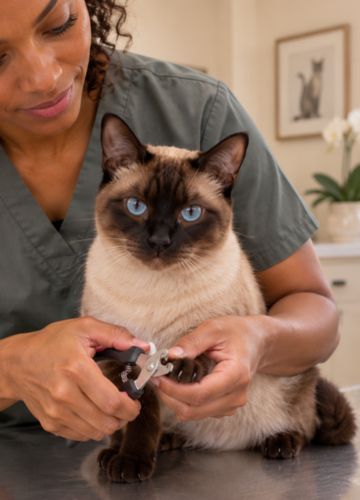
quick inside the claw.
Check your cat’s claws every 1 to 2 weeks. Trim in good lighting so you can clearly see where the pink quick ends, and cut only the sharp, curved tip beyond it. Go one paw at a time if needed, and stop if your cat gets stressed. A treat afterward goes a long way toward making the next session easier.
If you accidentally nick the quick and it bleeds, apply gentle pressure and use a veterinary-approved styptic product if needed. If the bleeding doesn’t stop, contact your veterinarian.
Tools That Work
Use cat-specific nail clippers, either scissor-style or guillotine-style. Some have a built-in guard or light that makes it easier to see the quick, which is especially helpful on cats with dark claws. Some cats tolerate nail grinders well, although they require a gradual introduction and careful handling around the quick. Whatever tool you use, keep it sharp and clean, since a dull blade crushes the claw instead of cutting it cleanly.
Scratching Outlets
You can’t train a cat out of scratching. It’s a physical need, and giving it a good outlet is the actual solution to furniture damage.
In the survey data mentioned earlier, rope, particularly sisal, was the most frequently used preferred substrate when it was available, especially among younger cats. Cats also regularly used cardboard and carpet. In homes with more than one scratcher, cats used their scratching posts more and chose the “correct” post over furniture more often; simple upright posts and tall, multi-level cat trees saw the most use. A wobbly post is one of the fastest ways to lose a cat’s interest, so stability matters as much as material.
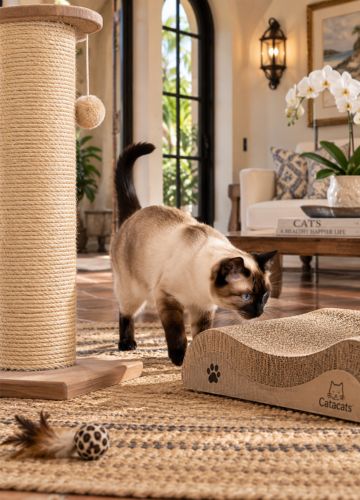
how and where they scratch.
A practical setup:
- At least one tall, sturdy vertical post near a favorite resting or sleeping spot
- A horizontal or angled scratcher for cats that like to stretch out low
- Placement in central, well-used areas of the home rather than tucked away in a closet or spare room
Encouraging scratching in the right spots helps a cat shed old claw sheaths naturally, keeps claws in good working condition, and, over time, protects your furniture far more reliably than removing the claws ever could.
Frequently Asked Questions
What is a cat’s claw actually made of?
The outer shell is keratin, the same protein in human nails. Underneath is the quick, a sensitive core with nerves and blood vessels that nourishes the claw. Claws are retractable, held in place by ligaments and extended using tendons.
Is declawing the same as a nail trim?
No. Declawing, or onychectomy, is the surgical amputation of the last bone in each toe, not a nail trim. The claw grows directly from that bone, so removing it permanently means removing part of the bone itself.
Do veterinarians recommend declawing?
No. The AVMA strongly discourages onychectomy when it is not medically necessary, and the AAFP strongly opposes it as an elective procedure. Both organizations consider it a surgical amputation and encourage alternatives like trimming and scratching posts.
Is declawing illegal in the United States?
As of 2026, six states (California, Maryland, Massachusetts, New York, Rhode Island, and Virginia) along with Washington, D.C. restrict elective declawing, generally allowing it only when medically necessary. More than a dozen cities have their own bans or restrictions, and more than 40 countries prohibit or effectively prohibit the procedure.
How often should I trim my cat’s claws?
Check your cat’s claws every 1 to 2 weeks. Trim only the sharp, curved tip in good lighting, stay well clear of the pink quick, and stop if your cat becomes stressed.
What scratching post material do cats prefer?
Survey research on cat owners found rope, particularly sisal, was the most frequently used preferred substrate when available, especially among younger cats. Cardboard and carpet are also used regularly. Stability and having more than one post both increase how often cats use them.
The Bottom Line
A cat’s claws are working parts of its body, not accessories. They support balance, muscle health, self-expression, and a cat’s sense of security in its own space. Declawing removes all of that, along with the claw itself, which is why veterinary medicine has clearly moved toward alternatives.
With regular trimming, the right tools, and scratching options a cat actually wants to use, claws stay healthy, and furniture stays intact, without asking a cat to give up a part of what makes it a cat.

Nail Clippers with Light and Protective Guard
Protective guard helps prevent “over-trimming”. LED light for safer, cutting experience.

Nail Grinder
Quiet and Low Vibration
Two LED-lights & diamond bit grinder heads.
USB rechargeable and cordless.
Learn More
Cat Basics: Understanding feline instincts helps explain why cats behave the way they do.
Scratch Posts: Why size, materials, and structural stability matter—especially true for large and powerful cats.
Receive thoughtful updates, helpful tips, and sneak peeks at the upcoming Catacats guidebook.
Disclosure & Disclaimer: As an Amazon Associate, I may earn commission from qualifying purchases at no extra cost to you. All recommendations are based on research and experience to help you provide the best care for your cats. The information provided is for educational purposes only and is not a substitute for professional veterinary advice. Always consult your veterinarian regarding your cat’s health, diet, and care.