
The Complete Guide to Evidence-Based Cat Nutrition
Science-Backed Feeding Principles for Optimal Feline Health
At Catacats, we believe good nutrition advice should hold up to scrutiny, not just sound good on a bag. Optimal feline nutrition starts with biology, but it also requires careful attention to what current veterinary research actually tells us.
Cats are obligate carnivores with nutritional requirements that are distinctly feline. They need specific amino acids, fatty acids, vitamins, minerals, adequate water, and enough energy to maintain a healthy body condition. The goal isn’t to chase the latest feeding trend. It’s to understand what cats need, choose a nutritionally complete diet, and adjust the amount and type of food to the individual cat.

Key Takeaways
- Cats have specialized nutritional requirements and need animal-derived nutrients in the appropriate forms
- Carbohydrates are not an essential dietary requirement for cats, but current evidence does not support treating dietary carbohydrate itself as a cause of feline obesity or diabetes
- Calories and body condition matter more than simply measuring portions by volume
- Moisture-rich food can substantially increase total water intake and produce more dilute urine
- Look for food labeled complete and balanced for your cat’s appropriate life stage
- Feeding should be measured, individualized, and adjusted according to weight, body condition, muscle condition, activity, and health
Why Cats Are Different: The Obligate Carnivore Advantage
Cats are obligate carnivores. Their physiology is specialized for extracting nutrients from animal tissues, and their nutritional requirements differ from those of dogs and humans.
That doesn’t mean cats are incapable of digesting carbohydrates. They can digest and use them. It means that carbohydrates are not an essential nutrient for cats in the way certain amino acids, fatty acids, vitamins, and minerals are.
A biologically appropriate feline diet therefore needs to provide:
- Adequate, highly digestible protein
- Essential amino acids and fatty acids
- Required vitamins and minerals in appropriate amounts
- Adequate calories for the individual cat
- Sufficient water
- Complete and balanced nutrition for the appropriate life stage
The most important question isn’t whether a food sounds “natural.” It’s whether the finished diet actually supplies everything the cat needs.
Essential Nutrients Cats Must Receive in the Right Form
Cats have several nutritional requirements that make feline diets particularly specialized.
Taurine is essential for normal heart and retinal function, among other roles. Cats cannot synthesize enough taurine to meet their needs without dietary intake.
Arachidonic acid is an essential fatty acid for cats because their ability to synthesize it from other fatty acids is limited.
Preformed vitamin A is required because cats cannot efficiently convert beta-carotene into the active vitamin A they need.
These are some reasons a homemade or highly restricted diet can become nutritionally inadequate, even when it appears to contain healthy ingredients.
The safest starting point for a commercially prepared food is the nutritional adequacy statement. AAHA and AAFP recommend choosing diets labeled with an AAFCO nutritional adequacy statement appropriate for the cat’s life stage.
Complete and Balanced: The Label That Matters Most
Ingredient lists can be interesting, but they don’t tell the whole nutritional story.
For everyday feeding, look for a food labeled complete and balanced for the appropriate life stage, such as growth, adult maintenance, or all life stages. AAFCO explains that “complete” means the food contains all required nutrients, while “balanced” means those nutrients are present in the appropriate proportions.
This matters because nutrition is about the finished diet, not simply whether the first ingredient is chicken, salmon, or another appealing ingredient.
A named animal protein near the beginning of an ingredient list can be useful information, but the ingredient list alone cannot tell you whether a food supplies every required nutrient in the right amount.
For kittens, choose a food formulated for growth or all life stages. For adult cats, choose one appropriate for adult maintenance or all life stages.

Macronutrients: What Cats Actually Need
Protein. Cats have a high biological need for protein and essential amino acids. Protein supports muscle, enzymes, hormones, immune function, and tissue maintenance. Rather than chasing a single universal protein percentage, focus first on whether the diet is complete and balanced and provides adequate, digestible protein for the individual cat. Protein becomes especially important when protecting lean muscle during weight loss and as cats age.
Fat. Dietary fat provides concentrated energy and supplies essential fatty acids. It also contributes to palatability and helps carry fat-soluble vitamins. The ideal amount varies with the cat, the food, calorie density, and medical needs. A highly active cat and a sedentary cat do not necessarily need the same energy density.
Carbohydrates. Cats do not have a dietary requirement for carbohydrate. But that fact is sometimes taken much further than the evidence allows.
Current research does not support the claim that dietary carbohydrate itself is an independent cause of feline obesity, insulin resistance, or high fasting glucose. A 2025 meta-analysis of 16 feline studies found no evidence that dietary carbohydrate, across the ranges studied, increased body fat, fasting insulin, or fasting glucose. The authors also noted that additional research is needed, particularly regarding post-meal metabolic responses.
That doesn’t make every carbohydrate-rich food an ideal choice. Food formulation, calorie density, protein content, digestibility, palatability, feeding amount, and the individual cat all matter.
For cats with diabetes, dietary carbohydrate remains clinically relevant because it can affect post-meal blood glucose. Current AAHA diabetes guidance recommends individualized dietary management that considers protein, carbohydrate, calories, body weight, and concurrent disease.
The more accurate takeaway is simple: cats don’t need dietary carbohydrate, but carbohydrate isn’t automatically harmful.
Calories Matter More Than Most People Realize
Even a nutritionally excellent food can contribute to weight gain if a cat consistently receives more calories than it needs. And the reverse is true: feeding too little can lead to weight loss and nutritional problems.
Energy requirements vary with ideal body weight, body condition, muscle condition, age and life stage, neuter status, activity level, health conditions, and environmental factors.
Veterinary nutrition commonly starts with a calculation of resting energy requirement (RER) and then adjusts it using an appropriate life-stage or clinical factor. There are several accepted RER equations used in veterinary medicine; one commonly used form is:
RER = 70 × (body weight in kg)^0.75
The AAHA/AAFP feline guidelines also describe an adult-cat starting calculation of 30 × body weight in kg + 70, followed by an appropriate needs factor.
These calculations are starting points, not prescriptions. Actual intake should be adjusted by monitoring body weight, body condition, muscle condition, and the individual cat’s response. That is why a calorie number copied from a chart should never outrank what is happening to the individual cat’s body.
The goal isn’t to feed a mathematical formula. The goal is to maintain an ideal body and muscle condition.

Caloric Needs by Life Stage and Lifestyle
| Cat Type | Energy & Feeding Guidance |
|---|---|
| Growing kitten | Very high energy requirements because of rapid growth. Feed a complete and balanced growth diet and monitor growth and body condition. |
| Healthy neutered adult | Usually needs less energy than a growing kitten or highly active intact cat. Start with an individualized maintenance estimate and adjust based on body condition. |
| Active or intact adult | May require more calories because of greater activity and energy expenditure. |
| Sedentary or obesity-prone cat | Often needs fewer calories. Measured portions and regular body-condition monitoring are especially important. |
| Senior cat | Does not automatically need fewer calories. Some need less as activity declines; others need more to maintain weight and muscle. |
Growing kittens have dramatically higher energy requirements than adult cats because they’re building an entire body. AAHA/AAFP notes that a 10-week-old kitten may require around 200 Growing kittens at 10 weeks of age have a very high energy requirement of 200 kcal/kg body weight/day, compared with about 80 kcal/kg/day at 10 months, illustrating how quickly energy needs change during growth.
Senior cats deserve special attention here. There is no universal “senior calorie number.” Some older cats need fewer calories as activity declines, while others actually need more because maintaining body weight becomes harder. AAHA/AAFP specifically notes that senior cats may experience reduced digestive capability and that being underweight is a common concern.
Translating Calories Into Wet Food Portions
Calorie density varies substantially among foods, even among cans of the same size. Always check the food’s stated calories rather than assuming that every 5.5-ounce can contains a particular number. AAFCO requires calorie content to appear on cat-food labels, expressed per kilogram of food and in familiar units such as per can or cup.
For example, if a food contains 150 kcal per 5.5-ounce can:
- A cat needing 300 kcal/day would receive approximately 2 cans
- A cat needing 225 kcal/day would receive approximately 1½ cans
- A cat needing 150 kcal/day would receive approximately 1 can
These are simply examples of the math. The correct amount depends on the cat’s actual calorie requirement and how the cat’s weight and body condition respond over time. Divide food into an appropriate number of meals, and remember to count treats and other calorie sources too.
Why Moisture Matters
Cats evolved to obtain a substantial portion of their water from food, and food moisture can make a meaningful difference in total water intake. Wet foods commonly contain around 70 to 80 percent moisture. Dry foods generally contain far less.
Research has shown that increasing dietary moisture can increase total water intake and produce more dilute urine. In a controlled study, cats consuming a 73.3% moisture diet had greater total fluid intake and more dilute urine than cats consuming a 6.3% moisture diet.
A more recent 2026 study likewise found that cats consumed more total water when eating a wet diet, even though they voluntarily drank more water while eating a dry diet. The important distinction is total water intake, not simply how much a cat drinks from a bowl.
This doesn’t mean every cat must eat an exclusively wet diet. But for cats that drink little, cats prone to some urinary problems, or owners trying to increase dietary water intake, moisture-rich food offers a straightforward nutritional advantage.

At Catacats, we favor wet food, or a combination of wet and dry food, for many healthy cats because it makes it easier to obtain adequate water. The most important thing is that the overall diet remains complete and balanced and that the cat reliably eats enough of it.
Dry Food: What to Consider
Dry food isn’t inherently unsafe, and a properly formulated dry food can provide complete and balanced nutrition. The biggest nutritional difference is moisture.
A cat eating dry food receives very little water from the food itself and must obtain more through drinking. Some cats compensate well. Others do not. Studies comparing diets with different moisture levels have found that cats eating high-moisture food generally consume more total water and produce more dilute urine. Dry food can also be highly calorie-dense, making portion control particularly important.
Carbohydrate content deserves a more nuanced discussion than it often receives. Dry foods frequently contain more carbohydrate than wet foods because starch is useful in their manufacture. Still, current evidence does not support treating carbohydrate content alone as an independent cause of obesity or diabetes in cats.
So the better question isn’t simply “Is kibble bad?” It’s “Does this food meet my cat’s nutritional needs, provide an appropriate amount of moisture, and fit the calorie and feeding plan my cat needs?”
The Free-Feeding Question
Cats naturally eat multiple small meals and engage in feeding behaviors throughout the day. That doesn’t mean every cat must eat on a rigid schedule. Some cats can maintain an ideal body condition with food available for longer periods. Others gain weight quickly.
AAHA/AAFP notes that free-choice feeding is common and can predispose some cats to overconsumption, whereas maintaining healthy body weight requires monitoring and controlling caloric intake.
For cats that gain weight easily, measured meals make calorie intake much easier to track. There is also a practical benefit: when you know approximately how much your cat normally eats, a sudden decrease in appetite is much easier to notice.
The Feline Obesity Problem, and Safe Weight Loss
Excess weight is a significant health concern for cats. Overweight and obese cats have increased risks for conditions including diabetes and musculoskeletal problems.
But weight loss in cats must be handled carefully. Cats should never be placed on a crash diet. Rapid weight loss or prolonged inadequate food intake can contribute to hepatic lipidosis, or fatty liver disease, which can become life-threatening. A gradual weight-loss rate of approximately 0.5 to 2 percent of body weight per week is generally recommended, with veterinary monitoring and adjustment of the feeding plan.
If an overweight cat suddenly stops eating, don’t assume the solution is to wait for hunger to return. Contact your veterinarian promptly.
The Feline Obesity Problem, and Safe Weight Loss
Excess weight is a significant health concern for cats. Overweight and obese cats have increased risks for conditions including diabetes and musculoskeletal problems.
But weight loss in cats must be handled carefully. Cats should never be placed on a crash diet. Rapid weight loss or prolonged inadequate food intake can contribute to hepatic lipidosis, or fatty liver disease, which can become life-threatening. A gradual weight-loss rate of approximately 0.5 to 2 percent of body weight per week is generally recommended, with veterinary monitoring and adjustment of the feeding plan.
If an overweight cat suddenly stops eating, don’t assume the solution is to wait for hunger to return. Contact your veterinarian promptly.
How to Recognize High-Quality Cat Food
Start with the fundamentals. Look for a complete and balanced nutritional adequacy statement appropriate for the cat’s life stage, appropriate calorie density, adequate protein and essential nutrients, clear feeding directions, a formulation appropriate for the individual cat’s age and health, and reliable quality control from the manufacturer.
Named animal ingredients can be useful information, but don’t judge a food entirely by its ingredient list. “By-products” aren’t automatically poor-quality ingredients. AAFCO notes that animal by-products are legitimate ingredients and that complete and balanced formulations account for the nutrients supplied by different ingredients.
The first ingredient doesn’t tell you whether the finished diet is nutritionally complete. Price isn’t a guarantee of nutritional quality either. The finished diet is what matters.
Alternative Cat Diets: Proceed With Caution
Raw and Home-Prepared Diet:
Cats evolved eating prey, so eating raw animal tissue is not inherently unnatural for them. However, modern raw and home-prepared diets require careful attention to food safety and nutritional balance. Improperly formulated diets can cause nutritional deficiencies or excesses, while raw and non-sterilized foods can carry pathogenic bacteria and other infectious organisms. AAHA and AAFP do not advocate feeding cats raw or dehydrated, non-sterilized foods because of these potential pathogen risks.
Home-prepared diets present another challenge: they can become deficient or excessive in essential nutrients if the formulation isn’t precise. AAFCO notes that creating a complete and balanced pet food is complex and that different life stages have different nutrient requirements and ratios.
Cats should not be fed vegan diets. Cats are obligate carnivores with narrowly defined nutritional requirements, and Catacats recommends feeding diets that reliably provide those requirements through appropriately formulated feline foods.
A confident voice online and a board-certified veterinary nutritionist can sound equally convincing. Their training isn’t the same.
Who to Trust for Nutrition Advice
Your veterinarian is the right starting point for routine nutrition questions, weight monitoring, and diet selection.
For complicated medical conditions, homemade diets, persistent nutritional problems, or cases where ordinary commercial diets aren’t meeting a cat’s needs, a board-certified veterinary nutritionist can provide specialized expertise. Look for the DACVN credential through the American College of Veterinary Nutrition.
If you are considering a homemade diet, or your cat has kidney disease, diabetes, food allergies, inflammatory bowel disease, pancreatitis, or another medical condition, work with your veterinarian or a board-certified veterinary nutritionist.
A confident voice online and a board-certified veterinary nutritionist can sound equally convincing. Their training isn’t the same.
Our Position on Cat Nutrition
At Catacats, we favor a simple principle: feed the biology, but respect the evidence.
That means choosing a nutritionally complete and balanced diet, prioritizing adequate high-quality protein, paying close attention to calories and body condition, and making dietary moisture a meaningful consideration.
For many cats, wet food is an excellent way to increase dietary water and support more dilute urine. It isn’t the only legitimate way to feed a healthy cat, and a complete and balanced dry or mixed diet can also be appropriate.
Carbohydrates don’t need to be feared simply because cats are carnivores. At the same time, cats don’t require dietary carbohydrate, and individual medical conditions can change what dietary composition makes sense.
Final Takeaways
Cats are specialized carnivores with specialized nutritional requirements. Feeding them well means more than choosing the food with the most appealing ingredient list or the loudest marketing claim.
Look for a complete and balanced diet appropriate for the cat’s life stage. Provide adequate protein and essential nutrients. Pay attention to calories. Consider dietary moisture. Measure portions when necessary. Monitor body weight and body condition. And adjust the plan as your cat ages or its health changes.
Wet food can make hydration easier. Dry food can be nutritionally complete. Carbohydrates are not required, but current evidence does not support treating them as inherently harmful. And no calorie chart can replace paying attention to the individual cat.
Good nutrition isn’t about feeding a theory. It’s about feeding the cat in front of you well.
For personalized guidance, especially for weight management, homemade diets, chronic disease, or unexplained changes in appetite, talk with your veterinarian or a board-certified veterinary nutritionist (DACVN).
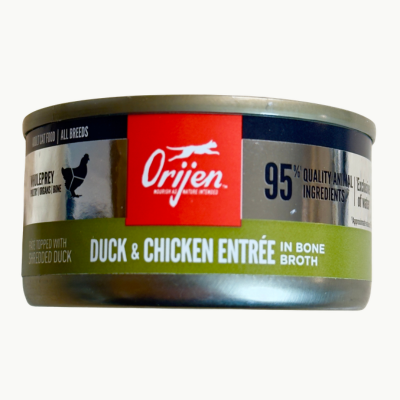
Premium Pate Wet Cat Food
Bone Broth Duck & Chicken
Packed with primal nutrition to create a pate of duck and chicken that mimics cats’ ancestral diets.
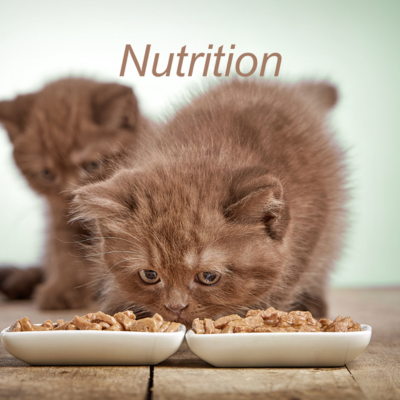
Wet Cat Food, Protein-Rich
With Vitamins and Minerals
Provides daily hydration. High-quality meat with essential daily vitamins and minerals.
Learn More
Hydration: How feline biology, diet, and environment work together to determine hydration and long-term health.
Kitten Growth Chart: Weight, Age & Development Guide: Growth happens rapidly, especially in the first few months. How tracking it can help you catch problems early and give your kitten the best possible start.
Receive thoughtful updates, helpful tips, and sneak peeks at the upcoming Catacats guidebook.
Disclosure & Disclaimer: As an Amazon Associate, I may earn commission from qualifying purchases at no extra cost to you. All recommendations are based on research and experience to help you provide the best care for your cats. The information provided is for educational purposes only and is not a substitute for professional veterinary advice. Always consult your veterinarian regarding your cat’s health, diet, and care.