
Cat Bowls and Feeding Setup: Best Practices for Healthy Mealtimes
When it comes to feeding your cat, nutrition isn’t just about what’s in the bowl; it’s also about the bowl itself and the environment around it. Cats are sensitive creatures with strong instincts, and small details in their feeding setup can have a big impact on digestion, hydration, stress levels, and overall health.
Below are the most up-to-date, cat-centered recommendations for creating a healthier, happier mealtime routine.
Feeding Environment Matters
Cats evolved as solitary hunters. Unlike dogs, they don’t thrive in chaotic or competitive feeding situations. A thoughtful feeding environment reduces meal stress and supports proper digestion, encouraging consistent eating and drinking.
Quiet, Stress-Free Location
Place food and water bowls in a calm, predictable area of your home.
- Away from foot traffic
- Away from loud appliances (washers, dryers, furnaces)
- Away from litter boxes
Cats are far more likely to eat well when they feel safe and unobserved. A stressed cat may eat too quickly, eat too little, or avoid food altogether.
Non-Competitive Feeding for Multi-Cat Homes
If you have more than one cat, separate feeding stations help create a calmer mealtime by preventing competition and ensuring every cat feels safe while eating.
- Prevents food guarding and bullying
- Reduces rushed eating (which can cause vomiting)
- Allows you to monitor each cat’s appetite and health
Ideally, feeding stations should be in different rooms or at least out of direct sight of one another.
Bowl Material: Clean, Non-Porous, and Cat-Safe
The material of your cat’s bowl matters more than many people realize.
Best choices:
- Stainless Steel
- Glass
- High-quality ceramic (lead-free and food-safe)
Why these materials work best:
- Non-porous (don’t trap bacteria)
- Easy to sanitize
- Don’t absorb odors or oils.
Avoid:
- Plastic bowls, which can harbor bacteria and are associated with feline chin acne
Daily washing of food and water bowls is strongly recommended. Biofilm buildup and food residue can discourage eating and drinking, even if the bowl looks clean.
Elevated Bowls: A Small Lift with Big Benefits
Slightly raised bowls promote a more natural eating posture and can reduce strain on the neck, spine, and joints.
Benefits include:
- Improved digestion
- Less regurgitation
- Reduced neck and joint strain
- Helpful for senior cats and those with arthritis
Typical height guidelines:
- Small cats: 3–4 inches
- Average adult cats: 4–6 inches
- Large breeds (including Maine Coons): slightly taller as needed
The goal is a comfortable, neutral neck position, not bending down or reaching up.
Whisker Fatigue Is Real
Cats’ whiskers are highly sensitive sensory tools. When whiskers constantly brush against the sides of a bowl, it can cause irritation and stress, commonly known as whisker fatigue.
Best bowl shape:
- Wide and shallow
- Approximately 6 inches in diameter
- Low sides for food and water
Signs of whisker fatigue may include:
- Pawing food out of the bowl
- Eating from the edge only
- Hesitation or frustration during meals
Water Placement & Hydration Support
Cats often prefer their water away from their food; a deeply ingrained instinct from the wild, where water near prey could be contaminated.
Best practices:
- Place water bowls several feet away from food.
- Offer water in multiple locations throughout the home.
- Consider a cat water fountain.
Many cats are attracted to moving water, which can:
- Encourage increased water intake.
- Support kidney and urinary tract health.
Fresh, clean water should be available at all times and refreshed daily.
Extra Tips for Optimal Bowl Hygiene & Safety
- Replace chipped ceramic bowls (cracks can harbor bacteria)
- Use non-slip bases or silicone mats to prevent slipping and sliding.
- Avoid placing bowls directly against walls; cats prefer a clear view of their surroundings.
- Clean fountains weekly according to manufacturer instructions
The Takeaway
By optimizing your cat’s bowl type, placement, height, and environment, you are doing much more than just serving meals; you are enhancing physical comfort, emotional security, and long-term health.
At Catacats, we believe that small, thoughtful choices add up to a better life for cats. A well-designed feeding setup helps make every meal calm, safe, and enjoyable, just the way your cat prefers it.
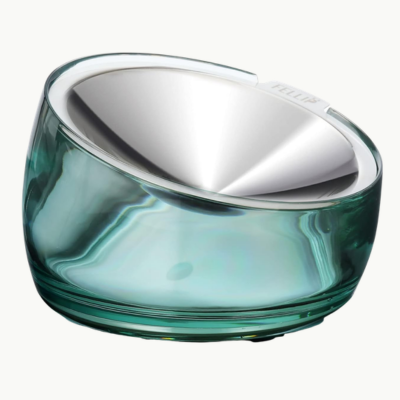
Stainless Steel
Elevated Cat Food Bowl
Under-bowl storage allows you to add ice, ice pad, or warm water to keep meals fresh. 4″L x 5″W x 5″H
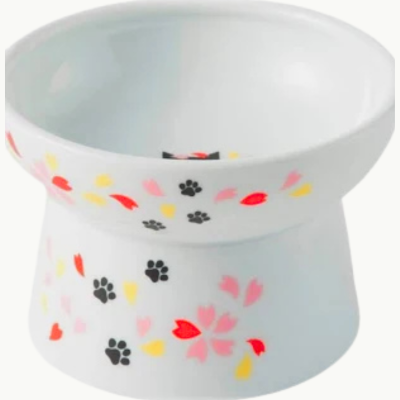
Ceramic Elevated 15° Tilted Bowl for Whisker Fatigue
Porcelain, free from lead and cadmium. Microwave and dishwasher-safe. 6.1″L x 5.7″W x 5.3″H
Receive thoughtful updates, helpful tips, and sneak peeks at the upcoming Catacats guidebook.
Disclosure & Disclaimer: As an Amazon Associate, I may earn commission from qualifying purchases at no extra cost to you. All recommendations are based on research and experience to help you provide the best care for your cats. The information provided is for educational purposes only and is not a substitute for professional veterinary advice. Always consult your veterinarian regarding your cat’s health, diet, and care.