
Toxic to Cats
Protecting cats from everyday toxins is one of the most important and most overlooked parts of responsible cat care. Cats are uniquely vulnerable because they groom constantly, absorb substances through their paws and skin, and lack certain liver enzymes needed to safely process many common chemicals.
This guide lists the most important and commonly encountered toxins, organized by category and roughly ordered by risk and exposure frequency. There are many more, so when in doubt, or if you notice even subtle feline symptoms, research further. It is designed for the Catacats community and supports best‑practice, prevention‑first care.
Why Cats Are So Vulnerable
- Cats lick their paws and fur, ingesting residues from floors, counters, and surfaces
- Many substances are absorbed through the skin or inhaled
- Cats cannot metabolize many compounds that humans and dogs tolerate
- Even small, repeated exposures can build up over time
Bottom line: If it touches the floor, air, or your hands, it can reach your cat.
OUTDOOR TOXINS
Outdoor Plants (High Risk)
Some plants are so dangerous that even pollen or a single bite can be fatal.
Extremely Toxic / Potentially Fatal
- Lilies (all true lilies and daylilies) ⚠️
- Oleander
- Foxglove
- Autumn crocus
- Sago palm
- Yew
Commonly Toxic
- Azalea / Rhododendron
- Tulips (especially bulbs)
- Daffodils
- Hyacinth
- Castor bean
- English ivy
Symptoms: vomiting, drooling, kidney failure, heart rhythm abnormalities, collapse
Hidden Risks in “Cat-Safe” Planters
Even when plants themselves are considered non-toxic, the products used on or around them may still pose serious risks to cats. Avoid pesticides, systemic insecticides, fertilizer spikes, and chemical leaf shine products on cat-friendly plants. Potting soil additives and fertilizers can sometimes be more dangerous than the plant itself, especially because cats may walk through treated soil and later ingest residues while grooming. Outdoor planters should also avoid nearby hazards such as cocoa mulch, essential oil sprays, and slug bait, all of which can be harmful to cats. Creating a truly cat-safe environment means considering not only the plant but also everything around it.
Lawn & Yard Chemicals
- Herbicides and weed killers
- Insecticides and slug bait
- Fertilizers (especially bone meal, blood meal)
- Rodenticides (mouse/rat poison)
Why dangerous: Cats walk through treated areas and ingest residues while grooming.
INDOOR TOXINS
Indoor Plants (Very Common Exposure)
Highly Toxic
- Lilies (again—never indoors)
- Dieffenbachia (dumb cane)
- Pothos
- Philodendron
- ZZ plant
- Peace lily (not a true lily, but still toxic)
Moderately Toxic
- Aloe vera
- Snake plant
- Jade plant
- Ficus
Tip: If a plant is toxic to cats, do not rely on training or placement; remove it entirely.
FOODS, HERBS & SPICES
Human Foods (High Risk)
- Onions, garlic, shallots, leeks (all forms)
- Chives
- Grapes & raisins
- Chocolate
- Alcohol
- Xylitol (artificial sweetener)
- Caffeine
- Raw dough (yeast)
Effects: anemia, liver damage, neurological signs, GI distress
Herbs & Spices
- Garlic powder
- Onion powder
- Nutmeg
- Allspice
- Cloves
- Cayenne
- Essential oil-infused herbs
Even trace amounts can cause problems over time.
Other Animal Foods
- Dog food (nutritionally inappropriate long‑term)
- Dog treats with garlic/onion
- Rawhide
ESSENTIAL OILS, SCENTS & AIR PRODUCTS (Very High Risk)
Essential Oil Diffusers
Especially dangerous:
- Tea tree
- Eucalyptus
- Peppermint
- Citrus oils
- Cinnamon
- Pine
- Clove
- Wintergreen
Important: Diffusers release oils into the air, which can settle on fur and floors.
Candles, Air Fresheners & Sprays
- Scented candles
- Plug‑in air fresheners
- Room sprays
- Wax melts
- Incense
These can cause respiratory irritation, neurological symptoms, and liver toxicity.
CITRUS (Often Misused)
Many people use citrus sprays to deter cats from counters or furniture.
⚠️ Do not do this.
- Citrus peels
- Citrus oils
- Lemon or orange spray bottles
Citrus compounds are toxic and easily absorbed through paws.
HOUSEHOLD CLEANERS
Kitchen & Bathroom Cleaners (Very Common Exposure)
- Bleach
- Ammonia
- Disinfectants
- Degreasers
- Pine‑based cleaners (e.g., Pine‑Sol)
- Toilet bowl cleaners
- Drain cleaners
Why pine & phenols are dangerous: Cats cannot safely metabolize phenolic compounds. Exposure can occur through inhalation, skin contact, or paw licking and may cause liver damage, neurological signs, and respiratory irritation.
Floor, Carpet & Furniture Cleaners
- Carpet shampoo
- Spot removers
- Fabric sprays
- Floor polish
Key risk: Cats walk on treated surfaces → lick paws → ingest chemicals.
GARAGE & STORAGE ITEMS
- Antifreeze (extremely lethal, sweet taste)
- Motor oil
- Gasoline
- Paints & solvents
- Pesticides
- Ice melt (salt or chemical)
Even tiny amounts can be fatal.
DOG PRODUCTS (Often Overlooked)
- Flea/tick collars for dogs
- Topical flea treatments for dogs
- Permethrin‑based products
- Tick dips
I⚠️ Never use dog products on cats. Even contact with treated dogs can be dangerous.
MEDICATIONS
Human Medications (watch for pill spills that can easily be missed or hidden along the edge of the floor, and never leave pills out)
- Acetaminophen (Tylenol) ⚠️ Fatal
- Ibuprofen
- Aspirin
- Antidepressants
- ADHD medications
Veterinary Medications (If Misused)
- Incorrect dosing
- Products meant for dogs
ALLERGIC REACTIONS & FELINE ASTHMA
Can Cat Asthma Be an Allergic Reaction?
Yes—very often.
Feline asthma is a chronic inflammatory airway disease. In many cats, airway inflammation is triggered or worsened by environmental allergens and irritants, especially scented and chemical products, dust, and poor indoor air quality due to cooking smoke or fumes.
Instead of showing skin reactions like humans, cats may express allergies through their lungs.
Common Triggers Linked to Asthma
- Scented cleaners
- Air fresheners & plug‑ins
- Essential oil diffusers
- Candles & incense
- Pine‑based or phenol cleaners
- Dusty or scented litter
- Carpet powders & sprays
- Cigarette or vape smoke
- Mold, pollen, dust mites
- Cooking smoke and fumes from frequent indoor cooking
Asthma Signs (Often Mistaken for Hairballs)
- Repeated coughing or hacking
- Low, crouched posture during episodes
- Wheezing
- Rapid or labored breathing
- Lethargy after coughing fits
- Open‑mouth breathing ⚠️ emergency
Hairballs rarely cause repeated coughing without producing anything.
COMMON TOXIC & ALLERGIC REACTIONS
What to Watch For
- Drooling or foaming at the mouth
- Vomiting or diarrhea
- Lethargy or hiding
- Loss of appetite
- Tremors or seizures
- Difficulty breathing
- Paw licking or limping
- Facial swelling or itching
- Sudden behavior changes
If symptoms appear:
- Remove access immediately
- Ventilate the area if airborne exposure is suspected
- Do not induce vomiting unless directed
- Contact your veterinarian or emergency clinic
PREVENTION: BEST PRACTICES FOR CAT HOMES
Before Bringing Home a Cat or Kitten
- Remove toxic indoor and outdoor plants
- Eliminate scented products
- Secure chemicals and medications
- Review dog products in the home
Cleaning & Grooming Safety
- Use unscented, pet‑safe cleaners
- Avoid essential oils entirely
- Use unscented litter box cleaners
- Avoid scented litter
- Never use human shampoos or scented cat products
Remember: Cats walk through residue and lick their paws.
CATACATS CARE PRINCIPLE
A safe environment is as important as good nutrition and veterinary care. Many chronic issues, including asthma, are worsened or driven by preventable environmental exposures.
When unsure, choose products that are unscented, low-ingredient, and specifically designed for cats.
This article is part of the Catacats educational series on evidence‑based, preventative cat care.
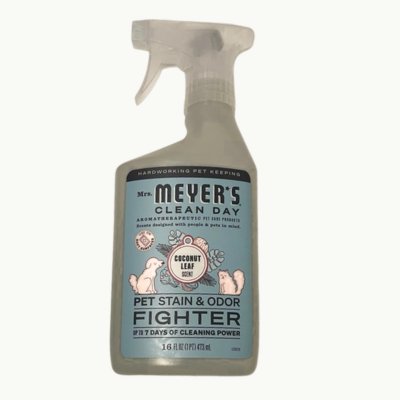
Mrs. Meyer’s Clean Day
Pet Safe Cleaner
Keep your home fresh & clean with a bleach-free, pet-conscious formula. The coconut leaf scent is gentler for the cats you love. 🐾

Biom Cat Safe
Fragrance-free Wipes
For wherever life with cats happens. Car, kitchen, near litter boxes, carriers, & everyday cleanup zones. Pair with reusable wipe dispensers. 🐾
Learn More
Vet Visits: Spaying, neutering, and smart, age-based veterinary care. Learn how vaccines, titers, and regular checkups protect your cat at every stage of life.
Emergencies: Sudden changes in breathing or mobility may signal a medical emergency. Learn what to watch for.
Keep essential pet supplies and important information ready so you can respond quickly and calmly if an emergency occurs.
Disclosure & Disclaimer: As an Amazon Associate, I may earn commission from qualifying purchases at no extra cost to you. All recommendations are based on research and experience to help you provide the best care for your cats. The information provided is for educational purposes only and is not a substitute for professional veterinary advice. Always consult your veterinarian regarding your cat’s health, diet, and care.