
Hydration: Why Biology, Diet, and Environment Matter for Feline Health

Domestic cats may share our homes, but their bodies still carry adaptations from ancestors that lived in relatively dry environments where standing water could be scarce.
That history matters when it comes to hydration.
Cats are remarkably efficient at conserving water. They can produce concentrated urine and may not always fully compensate for a low-moisture diet by drinking more. For a cat eating dry food, the water contained in the food itself can make a meaningful difference.
Hydration isn’t just about how much a cat drinks from a bowl. It’s about the total amount of water entering the body through food and drink, balanced against the water lost.
Cats Evolved to Get Much of Their Water From Food
Domestic cats descend from the African wildcat, an animal adapted to relatively dry environments. Their natural prey contains a large amount of water, generally around 70 to 75 percent.
That means a cat eating prey in the wild is consuming both food and water at the same time.
That basic biology hasn’t disappeared simply because cats now live indoors. Cats are still very good at conserving water, and their thirst response doesn’t necessarily fully compensate for the water missing from a dry diet.
This is one reason food moisture deserves more attention than it often gets.
The Dry Food Difference
The numbers make the difference easy to see.
Dry cat food typically contains about 6 to 10 percent water, while canned or wet food commonly contains around 70 to 80 percent water.
A 10-pound cat might need roughly a cup of total water per day, though individual needs vary with body size, diet, activity, health, and environmental conditions. Importantly, that doesn’t mean a 10-pound cat needs to drink a full cup of water from a bowl, since water in food counts toward the daily total.
Consider two cats eating the same number of calories. One eats dry food containing about 10 percent moisture. The other eats wet food containing about 75 percent moisture.
The wet-food cat is receiving a substantial amount of water simply by eating, while the dry-food cat has to obtain much more of that water separately.

Cats eating dry food often increase their drinking compared with cats eating wet food, but the important point is that they may still have a lower total water intake because the food itself contributes so little water. Recent research has found that cats voluntarily drink more water on dry diets, but still consume more total water when eating higher-moisture diets.
A 2024 study published in PLOS ONE compared diets containing either about 5 percent or 80 percent moisture. Cats eating the wet diets consumed significantly more total water, produced more urine, and had less concentrated urine, with urine output more than twice that of cats eating the dry diets.
Food itself, in other words, can be one of the most important sources of daily water, not just a supplement to whatever’s in the bowl.
Why Urine Concentration Matters
Cats are exceptionally good at concentrating urine. That ability is useful in an environment where water may not always be readily available, but it also means diet and water intake can have a noticeable effect on urine volume and concentration.
The same 2024 PLOS ONE study found that cats eating higher-moisture diets had greater urine volume and lower urine density than cats eating lower-moisture diets. The wet diets also produced lower relative supersaturation for calcium oxalate and struvite under the study conditions.
This matters because concentrated urine can be an important consideration in cats prone to urinary problems. Hydration is associated with several aspects of feline urinary health, including helping maintain adequate urine volume. Wet diets are commonly recommended to increase water intake, particularly for cats with certain urinary conditions.
That doesn’t mean dry food automatically causes urinary disease, and it doesn’t mean every cat eating dry food is dehydrated. Individual cats, diets, and health conditions differ.
The more accurate takeaway is simple:
More water in the diet generally means more water available to the body and more dilute urine.
What About Chronic Kidney Disease?
Hydration deserves particular attention in cats with chronic kidney disease because they may lose more water through their urine as the disease progresses.
Dehydration itself isn’t considered a proven direct cause of chronic kidney disease, but maintaining adequate hydration is still an important part of managing cats with it.
The International Society of Feline Medicine (ISFM) consensus guidelines recommend providing free access to good-quality water and offering multiple water sources, including running water, when appropriate, along with a wet diet where possible, since it increases water intake.
For a cat with kidney disease or another medical condition, hydration needs should be discussed with the veterinarian managing that cat, since what works for one cat may not be appropriate for another.
Where You Put the Water Can Matter
Some cats are particular about where they drink.
Rather than assuming every cat has an instinctive rule against drinking near food, it’s more useful to think about individual preference: some cats drink readily beside their food. Others prefer water in a separate location entirely.
Offering more than one water station gives a cat a choice.
Good locations are quiet, easy to reach, and away from the litter box. In a multi-cat household, having several water stations can also reduce competition if one cat tends to guard or control access to resources.
A water bowl tucked behind an appliance or placed in a busy walkway may be technically available but not particularly appealing to the cat, so sometimes the simplest fix is just putting water where the cat already likes to spend time.
What the Research Actually Says About Fountains
Some cats prefer moving water over still water, but fountains aren’t magic, and the research is more interesting than the marketing would suggest.
A small study of 13 healthy cats found that the cats who continued using the fountain drank slightly more water from it than from a still bowl, but the increase wasn’t large enough to produce a significant difference in urine concentration, and one cat actually refused the fountain outright.
A later controlled study followed 16 healthy cats, with 14 completing the study, and compared still, circulating, and free-falling water sources. Overall, the type of water source didn’t significantly affect daily water intake, urine volume, or several urinary measurements, although some individual cats showed clear preferences for one type of water source.
That’s probably the most useful way to think about fountains:
They may encourage an individual cat to drink, but a fountain isn’t automatically better than a clean bowl.
If your cat likes moving water, a fountain can be a useful tool. If your cat prefers a quiet bowl, there’s no reason to force one.
The goal isn’t buying the fanciest water device.
It’s making drinking easy and appealing for that particular cat.
Fresh Water Really Does Matter
Cats can be surprisingly particular about water.
Water that’s been sitting for a long time can collect food particles, hair, dust, and other debris, and bowls and fountains can develop a slimy film if they aren’t cleaned regularly.
Wash water bowls frequently and clean fountain components according to the manufacturer’s instructions. Stainless steel and ceramic are practical choices because they’re durable and easy to clean. Plastic isn’t inherently unsafe, but scratches and wear can make it harder to clean thoroughly, so if a bowl develops scratches, cracks, or a persistent odor, it’s worth replacing.
And if the water looks or smells unappealing to you, there’s a good chance your cat has an opinion about it too.
The Most Reliable Way to Increase Water Intake Is Still Food
Fountains, additional bowls, and better placement can all help, but if you want to increase the amount of water a cat receives without relying entirely on voluntary drinking, raising the diet’s moisture content is one of the most reliable approaches.
Wet food commonly contains around 70 to 80 percent water, compared with roughly 6 to 10 percent in dry food, and even replacing part of a dry-food diet with a nutritionally complete and balanced wet food can add a meaningful amount of water to the daily diet.
Some cats happily eat wet food. Others resist a change in texture or smell, and there’s no reason to turn hydration into a battle.
A gradual transition, adding a little water to food, or offering wet food as one meal may work better than suddenly replacing everything. For cats with medical conditions, dietary changes should be discussed with the veterinarian, especially when a therapeutic diet has been prescribed.
When a Change in Drinking Is a Warning Sign
Hydration is about more than encouraging a cat to drink.
A sudden change in drinking behavior can sometimes be a sign of an underlying medical problem. Cats with chronic kidney disease, diabetes, hyperthyroidism, vomiting, diarrhea, and other conditions may lose more water than usual or have increased water requirements.
Dental pain, weakness, illness, or difficulty accessing a water bowl can also reduce drinking.
Contact your veterinarian if your cat suddenly begins drinking much more or much less than usual, particularly if the change occurs alongside changes in urination, appetite, weight, energy, vomiting, diarrhea, or behavior.
Signs of dehydration can include lethargy, weakness, poor appetite, and dry or tacky gums, and more severe dehydration can cause sunken eyes and other serious problems. A cat that’s actually dehydrated may need veterinary treatment, since a fountain or extra bowl is not a substitute for finding and treating the underlying cause.
Practical Hydration Checklist
- ✓ Provide fresh water every day
- ✓ Offer more than one water source when practical
- ✓ Keep water stations away from litter boxes
- ✓ Give your cat a choice of bowl locations
- ✓ Consider a fountain if your cat enjoys moving water
- ✓ Wash water bowls regularly
- ✓ Clean fountain components according to the manufacturer’s instructions
- ✓ Consider nutritionally complete wet food as part of the diet
- ✓ Add water to food if your cat accepts it
- ✓ Watch for changes in drinking or urination
- ✓ Contact your veterinarian if your cat shows signs of dehydration or a significant change in drinking behavior

Kittens benefit from good hydration too. Growing bodies have a tremendous amount of work to do, and water supports digestion, circulation, temperature regulation, and normal cellular function throughout development.
Cats aren’t necessarily refusing to drink because something is wrong with them. Their bodies are simply very good at conserving water, a trait that made sense for their ancestors.
Today, we can make the job easier.
Fresh water, an appealing drinking environment, and moisture-rich food can all help support healthy hydration.
Sometimes the best solution isn’t getting a cat to drink more from a bowl.
It’s simply putting more water into the food they already love.
That’s not a flaw in your cat. It’s just millions of years of biology working exactly as designed. Our job is to work with that biology by making water available, appealing, and easy to get, while paying attention when a cat’s normal drinking habits suddenly change.
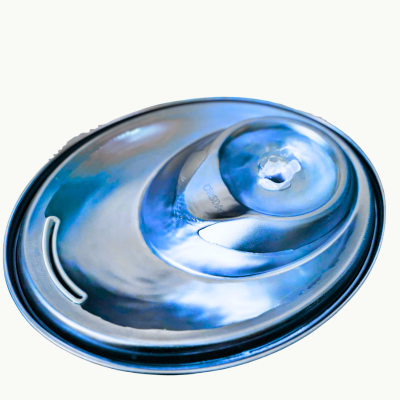
ORSDA Stainless Steel, 2L Fountain For Indoor Cats
Professional design. Two slopes for oxygen-enrichment & filtration enhancement. Quietly bubbles over tower.
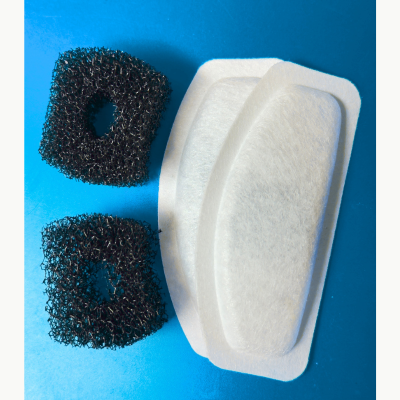
Replacement Water Filters Compatible With ORSDA
Triple Filtration: Cotton layer, activated carbon & ion exchange resin. Filters heavy metals & improves the taste.
Receive thoughtful updates, helpful tips, and sneak peeks at the upcoming Catacats guidebook.
Disclosure & Disclaimer: As an Amazon Associate, I may earn commission from qualifying purchases at no extra cost to you. All recommendations are based on research and experience to help you provide the best care for your cats. The information provided is for educational purposes only and is not a substitute for professional veterinary advice. Always consult your veterinarian regarding your cat’s health, diet, and care.